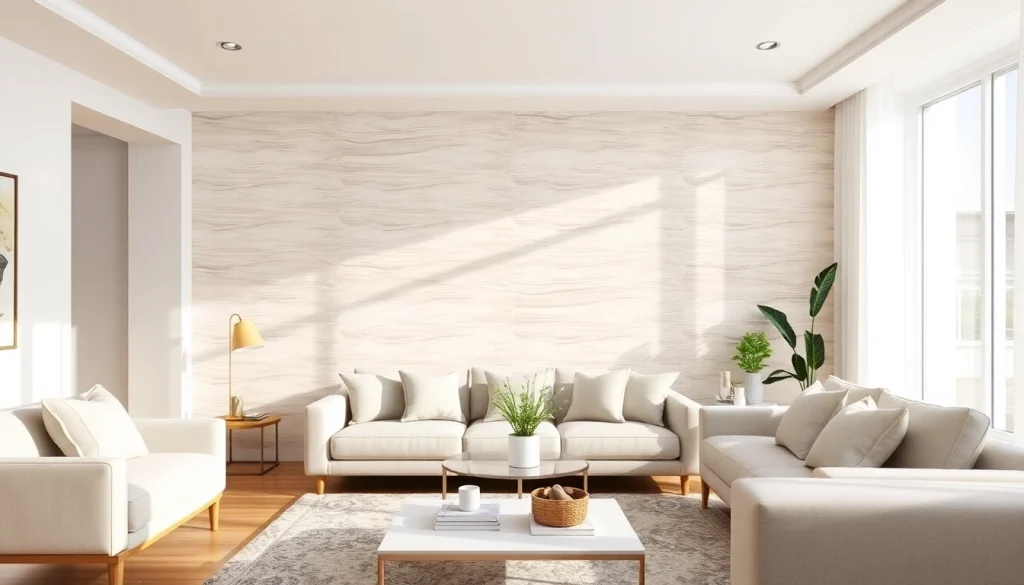
Introduction to Peel and Stick Wall Panels
Transforming any space can be a daunting task, but with the introduction of peel and stick wall panels, this process has become much simpler and more accessible. These innovative panels provide a stylish and practical solution for homeowners and renters alike, allowing for creativity without the need for costly renovations. This article delves into everything you need to know about peel and stick wall panels, from their types and benefits to installation tips and maintenance advice, ensuring that you can make informed decisions and achieve stunning results in your home.
What Are Peel and Stick Wall Panels?
Peel and stick wall panels are adhesive-backed panels designed for easy application on walls and other surfaces. Made from various materials, these panels mimic the appearance of traditional wall coverings like wood, stone, and tile while eliminating the mess and hassle typically associated with such installations. The ease of installation is a key feature of these panels; they simply require peeling off the backing and sticking the panel onto a clean surface. Additionally, their versatility allows for use in a range of applications, from accent walls to cabinetry, enhancing the aesthetic appeal of any space.
Benefits of Using Peel and Stick Wall Panels
The advantages of peel and stick wall panels extend beyond simple aesthetics. Here are some notable benefits:
- Easy Installation: As the name suggests, peel and stick wall panels can be installed with minimal tools and effort, making them an ideal choice for DIY enthusiasts.
- Cost-Effective: Compared to traditional wall coverings or full renovations, these panels are much more budget-friendly, allowing homeowners to achieve high-end looks without breaking the bank.
- Versatility: Available in numerous styles and designs, these panels can fit various design themes, from modern to rustic.
- Minimal Damage: They can be removed without damaging the wall underneath, making them perfect for renters who want to personalize their space.
- Maintenance-Free: Many panels are water-resistant and easy to clean, making them suitable for kitchens and bathrooms.
Where to Use Peel and Stick Wall Panels
Peel and stick wall panels are incredibly versatile and can be used in various settings, including:
- Living Rooms: Create an accent wall that draws the eye and adds character to your space.
- Bedrooms: Use soft colors or wood-look panels for a warm and inviting ambiance.
- Kitchens: Consider tiles or faux stone panels as a backsplash for a modern touch.
- Bathrooms: Water-resistant options can enhance the aesthetics while being practical.
- Commercial Spaces: Retail and office settings can benefit from the stylish yet professional look these panels provide.
Choosing the Right Peel and Stick Wall Panels
With numerous options available, selecting the right peel and stick wall panels can be overwhelming. Here are essential factors to consider:
Styles and Designs Available
The wide variety of styles means you can find peel and stick wall panels that match your aesthetic. Common styles include:
- Wood Looks: Panels that replicate the look of real wood, ideal for creating a warm, inviting atmosphere.
- Stone and Brick Effects: These designs add a sense of rugged charm and classic elegance.
- Geometric Patterns: For a modern and trendy touch, choose panels with bold shapes and colors.
- Textured Options: Textured panels add depth and intricacy, making your walls a focal point.
Material Considerations
The material of the panel affects its durability, aesthetic, and application suitability. Common materials include:
- Vinyl: Lightweight and water-resistant, vinyl panels are popular for kitchens and bathrooms.
- PVC: These panels offer excellent durability and are ideal for high-traffic areas.
- Wood Veneer: Real wood finishes provide an authentic look but might require more care.
- Metal: Metallic finishes lend a contemporary appearance and are often used in commercial settings.
Cost Factors to Consider
Costs of peel and stick wall panels can vary widely based on material, design, and brand. Here are some cost factors to keep in mind:
- Material Type: Premium materials like natural wood or custom designs will generally cost more.
- Panel Size: Larger panels may offer better value, so consider your total wall area when budgeting.
- Durability: Investing in higher-quality panels can save money in the long run due to their longevity.
Installation Guide for Peel and Stick Wall Panels
Installing peel and stick wall panels is a straightforward process that almost anyone can accomplish. Follow these steps to ensure a successful installation:
Preparation for Installation
Before beginning, prepare your space for a smooth installation:
- Choose the Right Surface: Panels adhere best to smooth, clean surfaces. Remove any dust, grime, or peeling paint.
- Measure and Plan: Measure your wall area to determine how many panels you will need, and plan your layout for a balanced look.
- Gather Tools: You will need a level, utility knife, straightedge, and ruler for precise installations.
Step-by-Step Installation Process
- Mark Guidelines: Use a level and pencil to draw straight lines on your wall as guides for panel placement.
- Cut Panels as Needed: Use a utility knife to cut panels to fit, paying attention to doorways and outlets.
- Peel and Stick: Carefully peel off the backing paper and slowly adhere the panel to the wall, smoothing from one side to the other to eliminate air bubbles.
- Repeat: Continue installing panels in the same manner until your wall is completely covered.
- Finishing Touches: Trim any excess panel edges for a clean finish, and clean the surface if necessary.
Common Installation Mistakes to Avoid
Even though installation is simple, here are common mistakes to steer clear of:
- Neglecting Surface Preparation: Not preparing the wall adequately can lead to poor adhesion.
- Incorrect Measurements: Always re-measure before cutting to avoid wasting material.
- Skipping Guidelines: Failing to mark guidelines may result in uneven panel placement.
- Applying Too Much Pressure: Pressing panels too hard can cause damage or misalignment.
Maintenance and Care of Peel and Stick Wall Panels
Taking care of your peel and stick wall panels can significantly extend their lifespan. Here’s how to maintain them effectively:
Cleaning Tips for Longevity
Regular cleaning will keep your panels looking fresh. Follow these tips:
- Dusting: Use a soft, dry cloth to dust panels regularly to prevent buildup.
- Wipe Down: Use a damp cloth with mild soap to clean any spills or stains. Avoid harsh chemicals that may damage the adhesive.
- Avoid Excess Moisture: Keep panels dry, especially in areas with high humidity.
Repairs and Replacement Options
Though peel and stick wall panels are durable, damage can occur. Here’s how to handle it:
- Minor Scratches: Use a color-matching marker or touch-up paint to conceal scratches.
- Panel Replacement: For significant damage, simply cut around the damaged area and replace the panel entirely.
- Consult Manufacturer: Check for warranty and specific repair recommendations based on the product used.
How Environmental Factors Impact Durability
The environment can significantly affect the performance of peel and stick wall panels. Consider these impacts:
- Humidity Levels: Excess moisture can weaken adhesive properties and lead to peeling.
- Temperature Fluctuations: Extreme heat or cold may cause materials to expand or contract, potentially affecting adhesion.
- Direct Sunlight: Panels subjected to constant UV exposure may fade over time.
FAQs About Peel and Stick Wall Panels
How long do peel and stick wall panels last?
Peel and stick wall panels can last several years if properly installed and maintained, typically influenced by the material quality and the environment.
Can I use peel and stick wall panels in bathrooms?
Most peel and stick wall panels are water-resistant. However, choose products specifically labeled for humid environments to ensure durability.
Are peel and stick wall panels easy to remove?
Yes, they are designed for easy removal without damaging the underlying surface, making them ideal for renters and those who frequently update their decor.
Can I paint over peel and stick wall panels?
Generally, painting over these panels is not recommended, as it could damage the adhesive. Look for panels available in your desired color to avoid this issue.
Are peel and stick wall panels eco-friendly?
Many peel and stick wall panels incorporate eco-friendly materials. Always check product labels for sustainable options to ensure environmental safety.