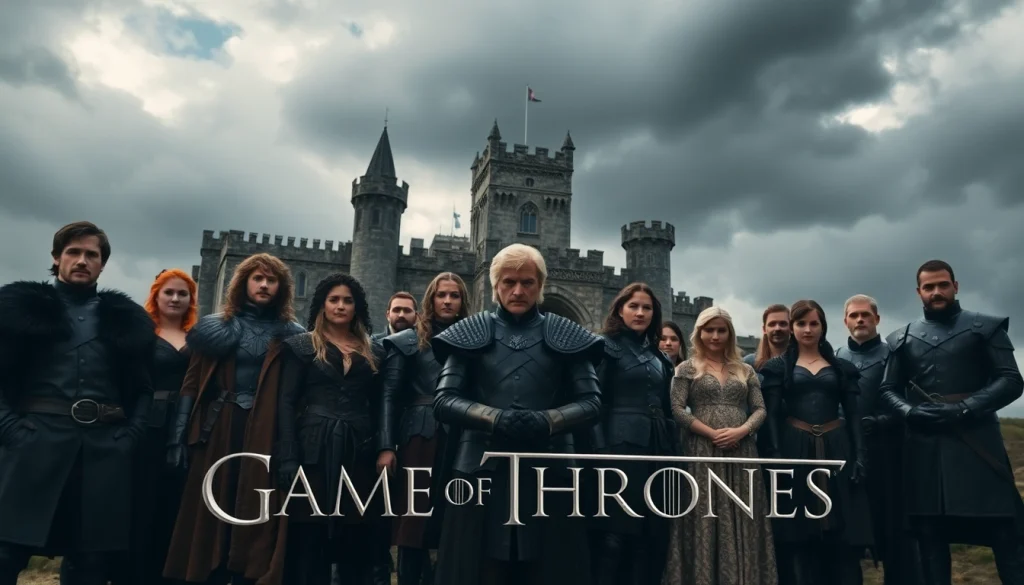
The Game of Thrones Cast: A Comprehensive Introduction
When discussing the monumental success of the television series Game of Thrones, one cannot overlook the significance of the game of thrones cast. The ensemble not only breathed life into George R. R. Martin’s complex characters but also played a pivotal role in shaping the cultural zeitgeist of an era. Spanning eight seasons, the series featured a plethora of characters, each with distinct traits and arcs that resonated well with audiences globally.
Overview of Main Characters
The heart of Game of Thrones lies within its multifaceted characters, each contributing to the rich narrative tapestry. At its core are key figures such as:
- Daenerys Targaryen (Emilia Clarke): The last scion of the Targaryen dynasty, known for her fierce temperament and steadfast resolve to reclaim the Iron Throne. Her evolution from a timid girl to a formidable queen exemplifies a tragic hero’s journey.
- Tyrion Lannister (Peter Dinklage): Dubbed the “Imp,” Tyrion is known for his wit, intelligence, and nuanced understanding of human nature. His struggle for acceptance in a world that scorns him presents a deeply human aspect of the narrative.
- Jon Snow (Kit Harington): The Bastard of Winterfell, Jon embodies honor and loyalty. His journey testifies to the duality of good and evil present in every character.
- Cersei Lannister (Lena Headey): A queen defined by her ambition and drive, Cersei’s complex motivations paint her as both a ruthless foe and a protective mother.
- Sansa Stark (Sophie Turner): Through immense personal growth, Sansa transforms from a naive girl to a cunning political player, learning crucial lessons in power dynamics.
These primary characters set the tone for the series, their relationships echoing the themes of power, betrayal, and survival.
Supporting Roles and Iconic Appearances
The richness of Game of Thrones is further amplified by its supporting cast, whose performances introduced memorable characters that left an indelible mark:
- Sandor Clegane (“The Hound”) (Rory McCann): A character embodying brutal honesty and moral complexity.
- Brienne of Tarth (Gwendoline Christie): A beacon of loyalty and honor, Brienne showcases the strength and resilience of women.
- Petyr Baelish (“Littlefinger”) (Aidan Gillen): His scheming and manipulative ways unveil the darker sides of ambition.
Each supporting actor contributed to the depth and complexity of the narrative, making the world of Westeros feel alive and genuinely inhabited.
The Evolution of Characters Throughout the Series
As the narrative unfolds, characters experience profound transformations that reflect the harsh realities of their world. For example, Daenerys Targaryen’s journey showcases her struggle with power and morality as she transitions from a hopeful liberator to a controversial ruler. Similarly, Cersei Lannister’s character arc highlights the corrupting influence of power, raising questions about her choices and motivations. These transformations resonate with the audience, prompting them to reflect on their own perspectives of good and evil.
Casting Choices: Behind the Scenes
The casting process for Game of Thrones was integral to its success, as the selection of actors significantly influenced the audience’s connection to the story.
Audition Process and Actor Selection
The audition process for Game of Thrones was extensive, aiming to find actors who could embody the complexities of their characters. Producers sought not just talent but also a certain chemistry among the cast. For example, the casting of Kit Harington as Jon Snow not only brought a strong performance but also worked exceptionally well with the veteran cast, establishing an authentic emotional connection pivotal to the series.
Character Chemistry and Dynamics
Character dynamics are crucial in any ensemble cast. The relationships formed between characters through their interactions often dictate the underlying tensions of the show. The chemistry between Jon Snow and Daenerys Targaryen, for example, was not merely romantic; it encapsulated the political tension inherent in the series—a union forged from necessity, honor, and personal ambition. Similarly, the tensions between characters such as Cersei and Tyrion further illustrated familial relationships laden with animosity, loyalty, and treachery.
Influence of Casting on Audience Reception
The performance of the actors in Game of Thrones greatly influenced audience perception. For instance, Emilia Clarke’s portrayal of Daenerys Targaryen solidified her place in popular culture, creating a deep-seated connection with viewers who saw her growth over eight seasons. Moreover, the audience’s investment in characters such as Tyrion and Jon was heightened due to the nuanced performances of their respective actors. This connection was pivotal in generating discussions, theories, and speculation amongst fans, cementing the show’s status as a cultural phenomenon.
The Cultural Significance of the Game of Thrones Cast
The cast of Game of Thrones transitioned from players on a screen to cultural icons that impacted pop culture and extended beyond the show itself.
Iconic Performances that Shaped the Series
Dynamic performances from actors such as Peter Dinklage and Lena Headey were instrumental in establishing the show’s tone. Dinklage’s portrayal of Tyrion Lannister, for example, became synonymous with cleverness and tragic wit, reshaping how viewers engage with the archetype of the clever misfit. Similarly, Lena Headey’s nuanced performance secured Cersei Lannister as one of television’s most memorable antagonists.
Impact on Pop Culture and Fan Engagement
The series has cultivated a devoted fanbase, sparking events such as fan conventions, where the cast interacts with viewers, enhancing community engagement. Moreover, memes, discussions on social media platforms, and fan theories played key roles in fostering a shared cultural experience. The cast has often participated in these discussions, further deepening viewer investment in their characters.
Merchandising and Spin-offs Featuring the Cast
The cast’s popularity led to lucrative merchandising opportunities, with action figures, clothing, and collectibles featuring their characters flooding the market. Additionally, the expansion of the Game of Thrones universe through spin-off series like House of the Dragon, featuring familiar faces from the original cast, embraces the fan culture, maintaining interest in the franchise’s legacy while adding complexity to the world they created.
Character Development and Arcs in Game of Thrones
The character arcs within Game of Thrones are a significant aspect that informs both the plot and the themes explored throughout the series.
Analysis of Key Character Journeys
Central characters undergo transformations that are often reflective of broader societal themes. Take, for instance, Arya Stark’s evolution from a young girl facing adversity into a skilled assassin, embodying resilience and a quest for vengeance. Conversely, the downward spiral of characters like Jaime Lannister reveals the darker side of ambition and the loss of humanity, reminding viewers of the consequences of choice and moral compromise.
How the Cast Brought Characters to Life
The talented cast of Game of Thrones expertly represented their characters’ complexities. The vulnerability displayed by characters such as Jon Snow and the fierce determination of Daenerys showcased their struggles, aspirations, and flaws beautifully. These portrayals allow the audience to empathize with characters who may otherwise seem distant or fictional, directly contributing to the show’s success.
Lessons Learned from Character Transformations
Through their journeys, the characters impart valuable lessons about decision-making, loyalty, and morality. The trials faced by characters illuminate crucial lessons about leadership, sacrifice, and the profound burdens of power, encouraging viewers to reconnect with their personal values and beliefs.
Future of the Game of Thrones Cast
As fandom continues to thrive, what does the future hold for the Game of Thrones cast?
Upcoming Projects and Collaborations
Many cast members have remained active in the entertainment industry post-Game of Thrones. Projects range from movies to television series, with actors like Emilia Clarke starring in a variety of genres, showcasing their versatility. Kit Harington’s continued commitment to acting, alongside stage performances, signifies a promising future for many former cast members seeking innovative challenges.
Reflections on Legacy and Influence
The legacy of the Game of Thrones cast extends beyond their performances; it narrates stories of dedication, scale, and universality of themes addressed in the series. Actors often reflect on their journey in interviews, emphasizing how this opportunity shaped their careers and influenced their lives. Their contributions have solidified their status not only as remarkable performers but as vital parts of television history.
Speculations on Reunions and Spin-offs
With the success of House of the Dragon and anticipated projects set within the broader universe, optimism for reunions or returns of beloved characters abounds. Fans and audiences speculate about potential collaborations, sparking discussions about which original cast members might reprise their roles, highlighting the lasting impact of the original run.
In conclusion, the game of thrones cast has profoundly influenced both the series and the larger landscape of television. From their artistry and character transformations to their cultural significance, they not only defined the show but also established a legacy that will resonate for generations.