Understanding Different Types of Flooring
Choosing the right flooring can significantly impact the aesthetics, functionality, and maintenance of your home. From hardwood to tile and carpet, each flooring type serves a unique purpose and can transform a space. This guide explores various flooring options to help you make an informed decision.
Hardwood Flooring Options
Hardwood flooring is renowned for its timeless appeal and durability. It comes in various species, each offering unique grains and hues. Common options include:
- Oak: Known for its durability and traditional aesthetic, oak is a popular choice for classic and modern homes alike.
- Maple: Maple has a light appearance and is great for a contemporary look, providing a smooth, uniform finish.
- Cherry: Cherry wood darkens with age, giving rooms a warm, rich ambiance.
- Bamboo: Although technically a grass, bamboo is a sustainable option that offers a unique aesthetic while being hard and water-resistant.
Hardwood flooring requires regular maintenance, including refinishing every few years to maintain its luster and durability.
Tile Flooring Benefits and Uses
Tile flooring is highly versatile and comes in various materials, including ceramic, porcelain, and natural stone. Its benefits include:
- Water Resistance: Tile is ideal for wet areas like bathrooms and kitchens due to its non-porous surface.
- Durability: Properly installed tile can last for decades without cracking or fading.
- Variety of Styles: Available in an array of colors, patterns, and finishes, tile can complement any interior design.
Tile maintenance typically involves cleaning with a pH-neutral cleaner and sealing grout lines to prevent staining.
Carpet Choices for Comfort and Warmth
Carpet provides warmth and comfort, making it a popular flooring choice for bedrooms and living areas. It comes in various styles, including:
- Berber: Known for its looped texture, Berber carpet is durable and ideal for high-traffic areas.
- Plush: This style offers a soft feel, perfect for cozy environments.
- Frieze: With its twisted fibers, frieze carpet is highly resilient and helps hide dirt.
The easiest way to care for carpet is through regular vacuuming and professional cleaning every 12 to 18 months.
Factors to Consider When Selecting Flooring
When selecting flooring types, several key factors can influence your decision. Understanding these elements ensures you choose the right flooring for your space and lifestyle.
Durability and Maintenance Requirements
Assessing the durability of flooring options is crucial, especially in high-traffic areas. Hardwood may require refinishing, while tile is very durable but can chip if heavy objects fall on it. Consider the maintenance requirements of each type:
- Hardwood: Requires refinishing and regular cleaning.
- Tile: Needs periodic sealing and grouting maintenance.
- Carpet: Requires frequent vacuuming and may need steam cleaning.
Think about your lifestyle and choose a flooring option that matches your maintenance preferences.
Cost Analysis of Various Flooring Types
Cost can be a deciding factor when selecting flooring. Here’s a brief overview of average costs per square foot:
- Hardwood: Typically ranges from $5 to $10.
- Tile: Can range from $1 to $20 depending on material and style.
- Carpet: Generally falls between $2 to $10, depending on the quality and style.
While initial costs are important, also factor in potential longevity and maintenance costs when making decisions.
Aesthetic Appeal and Design Integration
The visual impact of flooring can define the style of your home. When selecting flooring, consider:
- Color and Texture: Lighter colors can make a space feel larger, while darker shades add warmth.
- Room Purpose: Different rooms may call for different flooring types based on function.
- Coherence with Décor: Ensure the flooring style complements your overall interior design scheme.
Taking the time to choose the right aesthetic can elevate the entire look of your home.
Installing Flooring: DIY vs. Professional Help
Deciding whether to install flooring yourself or hire a professional can be a challenging choice. Each option has its advantages, so consider these factors when making your decision.
Benefits of Hiring a Professional Installer
Professional installation can save time and ensure a quality outcome. Benefits include:
- Expertise: Professionals have experience and knowledge to handle unexpected issues that may arise during installation.
- Warranty: Many installers offer warranties for their work, providing peace of mind.
- Tools and Equipment: Professionals have access to specialized tools that ensure precision.
While hiring a professional may incur higher costs upfront, the long-term benefits can outweigh initial expenses.
Steps to Successfully DIY Your Flooring
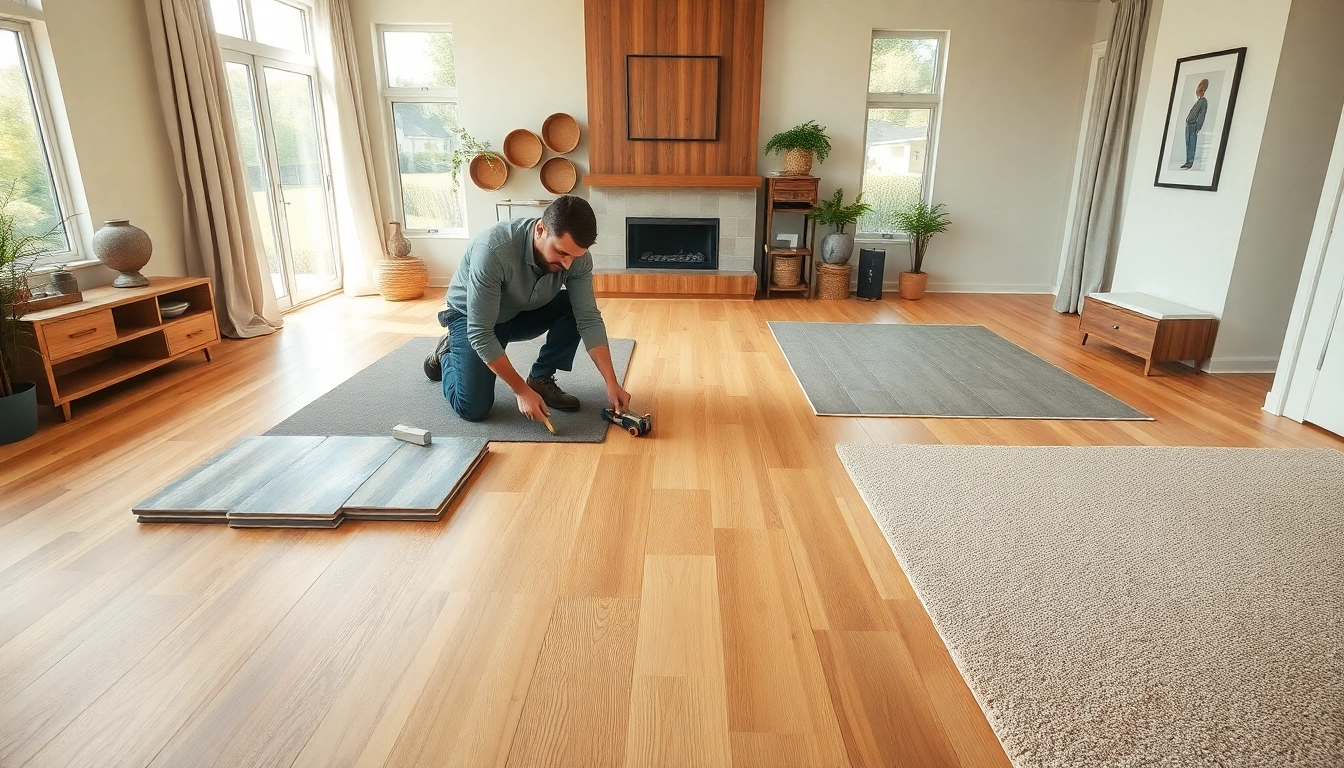
If you decide to tackle the installation yourself, here’s a structured approach:
- Preparation: Remove existing flooring and prepare the subfloor.
- Gather Tools: Ensure you have all necessary tools, including a measuring tape, saw, and spacers.
- Install: Follow the manufacturer’s instructions closely for your specific flooring type.
- Finishing Touches: Include baseboards and finishes to complete the look.
Careful planning and execution are crucial for a successful DIY project.
Common Mistakes to Avoid During Installation
Installation errors can be costly. Here are common pitfalls to watch for:
- Poor Subfloor Preparation: Ensuring the subfloor is clean, dry, and level is vital for installation.
- Ignoring Manufacturer Guidelines: Not following the specific guidelines can lead to problems down the line.
- Overlooking Acclimation: Failing to acclimate flooring materials can cause expansion or contraction issues.
Being aware of these mistakes can save time, effort, and money, helping ensure a smooth installation process.
Maintaining Your Flooring for Longevity
Proper maintenance is key to ensuring your flooring lasts for years. Here are effective strategies for keeping your flooring in top condition.
Best Cleaning Practices for Different Materials
Cleaning varies significantly depending on the flooring type:
- Hardwood: Use a soft broom or vacuum with a hardwood setting and a damp mop for cleaning.
- Tile: Regular sweeping and using a pH-neutral cleaner will keep tile looking great.
- Carpet: Frequent vacuuming is crucial, followed by periodic deep cleaning with a steam cleaner.
Each flooring type has its unique care methods, and adhering to them will maximize longevity.
Dealing with Scratches and Damage
Even with the best care, flooring may suffer scratches or damage. Here’s how to handle issues:
- Hardwood: Small scratches can often be buffed out or concealed with a wood marker, while larger damages may require sanding and refinishing.
- Tile: Chips can be repaired with epoxy, while cracked tiles may need replacement.
- Carpet: For snags, trim the area with scissors and consider patching larger holes.
Being proactive in repairs can keep your flooring looking new for years to come.
Seasonal Care Tips for Flooring
Seasonal changes can affect your flooring, so consider these tips:
- Winter: Use mats at entrances to prevent snow and salt damage to hardwood and carpet.
- Spring: Schedule a thorough cleaning as dirt accumulates during winter.
- Summer: Keep humidity levels stable to avoid warping in hardwood and laminate.
- Fall: Clean and seal tile and grout to prevent staining from falling leaves and moisture.
Adapting your care routine to seasonal changes will enhance the performance and appearance of your flooring.
Frequently Asked Questions About Flooring
What is the most durable type of flooring?
Tile flooring is often deemed the most durable, particularly materials like porcelain and stone, as they resist moisture and scratches.
How do I clean my hardwood flooring?
Clean hardwood flooring by using a soft broom or vacuum designed for hard surfaces followed by a damp mop with water and a gentle cleaner.
Is carpeting better for soundproofing?
Yes, carpeting absorbs sound, making it a great choice for reducing noise in rooms, especially when compared to harder flooring types.
What’s the average cost of tile flooring?
The average cost of tile flooring can range significantly, commonly falling between $1 to $20 per square foot, depending on the material.
Can I install new flooring over old flooring?
In many cases, new flooring can be installed over old flooring, provided the existing surface is level and in good condition.