
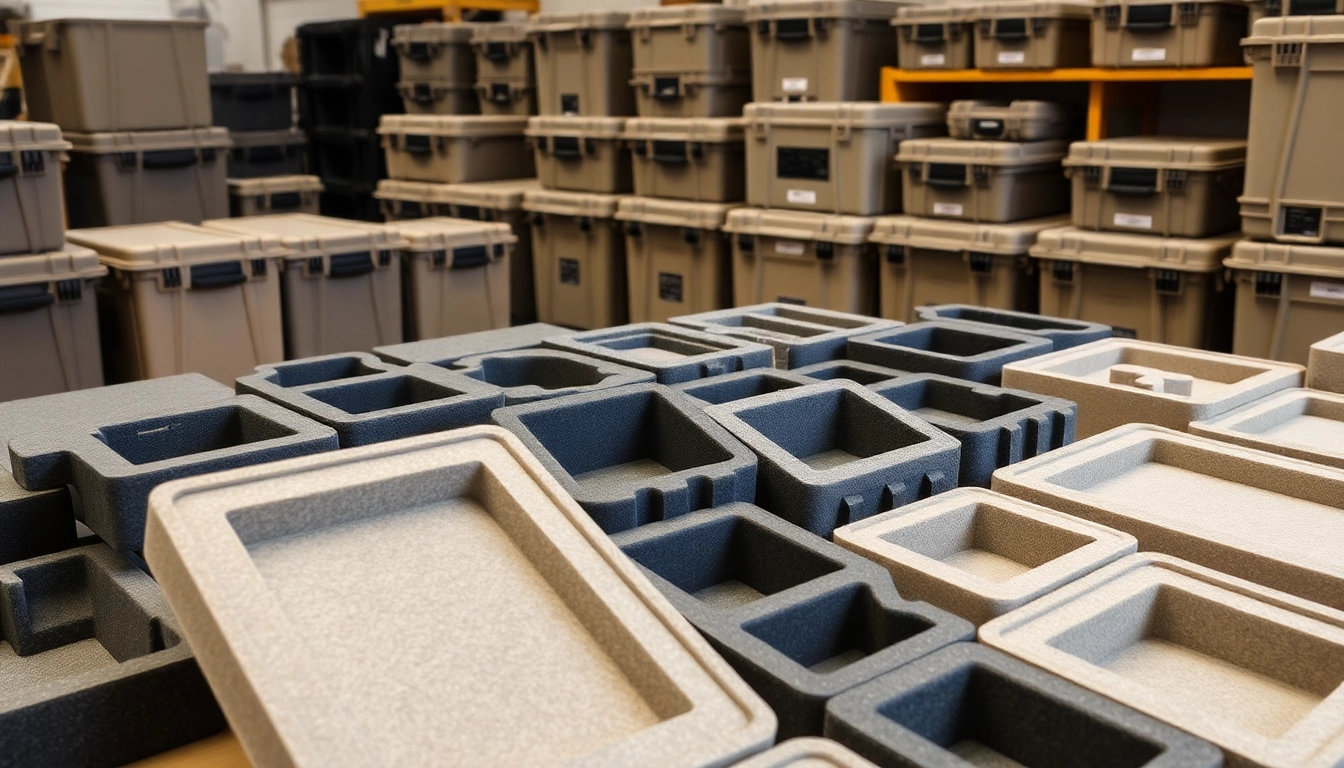
Understanding Custom Foam Inserts Pelican Cases
Custom foam inserts have become an indispensable addition to Pelican cases, providing tailored protection and organization for various equipment and valuables. Constructed to conform precisely to the unique contours of your gear, these inserts ensure secure placement, preventing movement during transit. For individuals seeking effective solutions to safeguard their equipment, exploring Custom Foam Inserts Pelican Cases can offer significant advantages.
What Are Custom Foam Inserts?
Custom foam inserts are specialized cutouts made from foam materials designed to fit snugly within storage cases, specifically Pelican cases. They are custom-engineered based on the dimensions and characteristics of the items you wish to store, such as cameras, electronics, firearms, or delicate equipment. These inserts may be designed to accommodate various forms and shapes, providing optimal cushioning and support.
Benefits of Custom Foam Inserts Pelican Cases
- Protection: Custom foam inserts protect components from shock, vibration, and impact. By securing items firmly in place, the risk of damage during transit is significantly reduced.
- Organization: These inserts keep items organized, facilitating easy access while preventing clutter and disarray within the case.
- Customization: Each foam insert can be tailored to the specific needs of the user, ensuring a perfect fit for the intended equipment.
- Durability: High-quality foam materials can withstand harsh conditions, making them ideal for outdoor and rugged use.
- Cost Efficiency: While custom inserts may represent an upfront cost, they often reduce the likelihood of replacing damaged equipment, ultimately saving money over time.
Common Materials Used for Custom Foam Inserts
When selecting materials for custom foam inserts, various options are available. The most common types of foam include:
- Polyurethane Foam: This is prevalent for its softness and cushioning properties, making it ideal for delicate items.
- Polyethylene Foam: Known for its sturdiness, this type of foam provides excellent impact resistance.
- Closed-Cell Foam: This foam type resists moisture and is often used in environments where water exposure is a concern.
- Open-Cell Foam: More flexible and light, open-cell foam is ideal for applications requiring cushioning without significant weight.
Selecting the Right Type of Foam
Comparing Foam Types: Polyurethane vs. Polyethylene
The choice between polyurethane and polyethylene often hinges on the specific needs of the equipment being stored. Polyurethane foam is generally softer and provides excellent cushion for fragile items, while polyethylene foam is firmer and offers superior impact protection, making it suitable for heavier and more robust gear.
Density Considerations for Foam Inserts
The density of foam plays a critical role in determining its performance. Higher-density foams typically offer greater support and durability but may be heavier. Conversely, lower-density foams are lighter and often more affordable but may not provide the same level of protection. It is essential to balance these characteristics based on the intended use of the Pelican case.
Choosing Foam Thickness for Your Needs
Thickness is another key factor when designing custom foam inserts. Depending on your storage needs, a thicker foam insert may provide extra protection for more substantial items, whereas thinner foam can suffice for lighter, more fragile gear. Ultimately, selecting the optimal thickness should align with the type of equipment, its use case, and achievable levels of protection.
Designing Your Custom Foam Insert
Layout and Configuration Tips
When designing a custom foam insert, consider the layout carefully to maximize space and organization. Group similar items together to streamline access, and ensure there are designated spots for each piece of equipment. Furthermore, utilizing protective cut-outs that closely match the contours of your items enhances security and functional usage.
Tools for Designing Custom Foam Inserts Pelican Cases
Several design tools facilitate the custom foam insert creation process. Many companies offer online tools that allow you to input your equipment dimensions and visualize how the foam will fit within your Pelican case. Alternative methods include sketching layouts on paper or utilizing CAD software for more advanced design processes.
Creating Detailed Specifications
The creation of detailed specifications is vital to ensure accurate fabrication of custom foam inserts. Include precise measurements, including length, width, height, and any unique contours needed for items. Ensure that all dimensions have been verified against the physical equipment to avoid discrepancies during the manufacturing process.
Installing Your Custom Foam Inserts
Best Practices for Inserting Foam
When installing your custom foam inserts, ensure you follow these best practices: first, clean the interior of the Pelican case to remove dust and debris. Then, carefully position the foam insert, ensuring that all cut-outs correspond with the items being stored. If necessary, adjust the fit by compressing or reshaping the foam to achieve an optimal seal.
Maintaining Custom Foam Inserts Pelican Cases
Maintaining your custom foam inserts is essential for longevity. Regularly clean the foam with a soft, damp cloth to remove dirt and moisture. Avoid exposing the foam to excessive heat or direct sunlight, as this can degrade its quality over time. If any sections become damaged, consider replacing them to maintain proper protection.
Common Installation Mistakes to Avoid
Several common mistakes can occur during the installation of custom foam inserts. One of the most prevalent is failing to measure equipment correctly, which can lead to poor fit and inadequate protection. Another mistake is neglecting to test the foam insert with your gear before finalizing the installation, risking misalignment and vulnerability to damage.
Frequently Asked Questions
How long do custom foam inserts last?
Custom foam inserts can last several years, depending on their use and care. High-quality materials and proper maintenance extend their lifespan significantly.
Can I use custom foam inserts for other case brands?
Yes, custom foam inserts can be designed for various case brands, though ensuring a proper fit is crucial for maximum protection and security.
Are there eco-friendly options for foam inserts?
Some manufacturers offer eco-friendly foam options made from recycled materials, balancing functionality with a reduced environmental footprint.
How do I clean my custom foam inserts?
To clean foam inserts, use mild soap and water. It’s crucial to avoid soaking them; instead, gently wipe the surface and allow for air drying to maintain shape and integrity.
Can custom foam inserts be made for any equipment?
Yes, custom foam inserts can be tailored for a variety of equipment types, allowing a precise fit and optimal protection for sensitive items.