
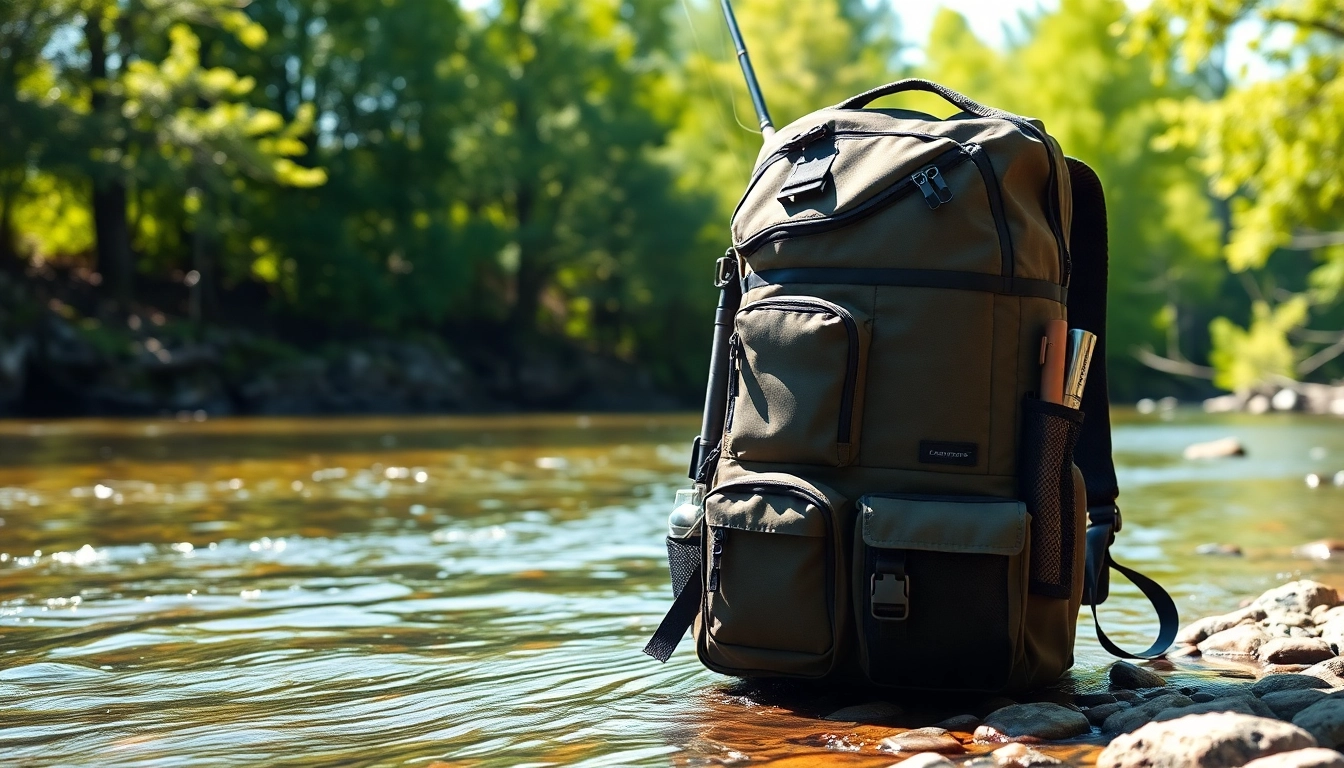
Understanding the Importance of a Fly Fishing Backpack
When it comes to fly fishing, having the right gear makes all the difference. A well-designed Fly fishing backpack is essential for carrying your fishing equipment, ensuring convenience and accessibility during your adventure. This article will delve into the significance of fly fishing backpacks, what features to look for, and how to choose the best one for your needs.
Why Choose a Fly Fishing Backpack?
Choosing a fly fishing backpack over traditional bags has several advantages. Not only are these backpacks specifically designed to accommodate the unique needs of fly fishers, they often include features like dedicated compartments for tippets, tools, and personal items. The right backpack enhances your fishing experience by allowing you to focus on your time on the water rather than worrying about equipment organization.
Essential Features to Look For
Several features distinguish high-quality fly fishing backpacks from standard backpacks. When selecting your backpack, consider the following:
- Water Resistance: Look for backpacks made from durable, water-resistant materials or those with waterproof coatings to protect your gear from unexpected rain or splashes.
- Organizational Compartments: A good backpack should have multiple pockets and compartments to keep your fly boxes, tools, and personal items orderly and easily accessible.
- Comfort: Padded straps, breathable mesh backs, and adjustable waist or chest straps enhance comfort during extended trips.
- Size and Capacity: Ensure the backpack can accommodate all your gear without feeling bulky or cumbersome.
- Rod Holder: Some backpacks come with built-in rod holders that securely transport your fishing rods, leaving your hands free as you navigate to your preferred fishing spot.
Comparing Types of Fly Fishing Backpacks
There are various types of fly fishing backpacks, each suited for different styles of fishing and personal preferences. Here are some common types:
- Daypacks: Ideal for short trips, these compact backpacks provide enough space for essentials without weighing you down.
- Multi-Day Backpacks: Designed for longer excursions, these backpacks feature larger capacities and additional comfort enhancements.
- Chest and Sling Packs: These options allow for immediate access to your gear, keeping your essentials at the front of your body while still being lightweight.
Top Benefits of Using a Fly Fishing Backpack
A well-designed fly fishing backpack offers several benefits that can significantly enhance your fishing experience.
Organization and Accessibility
One of the primary advantages of a fly fishing backpack is effective organization and easy access to your gear. With designated compartments for your flies, tippet, and tools, you can quickly find what you need, reducing time wasted rummaging through a jumbled bag. Efficient organization also means that you're less likely to forget essential items at home.
Comfort During Long Trips
Comfort is critical during extended fishing trips. A well-fitted fly fishing backpack distributes weight evenly across your shoulders and hips, preventing strain and fatigue. Adjustable straps and padded sections ensure that you remain comfortable even during lengthy hikes to your favorite fishing spots.
Durability Against the Elements
The outdoor environment can be harsh, and having a backpack that can withstand these conditions is vital. Many fly fishing backpacks are constructed from durable materials that resist rips and tears, while waterproof options help protect your gear from unexpected weather. This durability ensures your fishing backpack can accompany you on countless adventures.
Choosing the Right Size of Fly Fishing Backpack
Choosing the right size of fly fishing backpack is crucial for your comfort and the efficiency of your outdoor experience.
Day Trips vs. Multi-Day Trips
Your choice of backpack largely depends on the duration of your trips. For day trips, a smaller backpack with sufficient space for essentials is ideal. However, for multi-day excursions, you'll need a backpack that offers more capacity and comfort features to accommodate additional gear, food, and water.
Capacity Considerations
When evaluating backpack capacity, consider how much gear you’ll typically carry. Many fly fishing backpacks range from 30 to 50 liters in capacity, striking a balance between space and weight. Assess the type of fishing you'll be doing—pack more for extended stays and less for quick outings.
Packing Efficiently for Fly Fishing
Packing efficiently ensures you have everything needed without overloading your backpack. Place frequently used items near the top or in outer pockets for easy access. Consider using smaller organizational pouches within the backpack to keep things neat and accessible, making your fishing experience smoother.
Caring for Your Fly Fishing Backpack
To ensure your fly fishing backpack lasts for years, proper care and maintenance are essential.
Cleaning and Maintenance Tips
Regular cleaning is crucial to maintain the integrity and appearance of your backpack. Rinse it with fresh water after exposure to saltwater or mud, and let it dry fully. For deeper cleaning, follow the manufacturer’s instructions regarding detergent and washing methods.
Storage Recommendations
Store your fly fishing backpack in a cool, dry place. Avoid storing it damp, as this can lead to mildew or degradation of materials. Use a storage bag if possible, ensuring it remains free of dust and environmental factors.
Repairing Minor Damages
Addressing minor damages promptly helps prolong the life of your backpack. Small tears can often be repaired with fabric patches or repair tape. For more significant damage, consult a professional repair service specializing in outdoor gear.
Frequently Asked Questions about Fly Fishing Backpacks
What features make a fly fishing backpack waterproof?
A waterproof fly fishing backpack is constructed from water-resistant materials and includes sealed zippers and taped seams to ensure moisture doesn’t enter.
How much can I carry in a fly fishing backpack?
Typically, fly fishing backpacks have capacities between 30 to 50 liters, sufficient for fishing equipment, snacks, and clothing layers required during trips.
Can I use a fly fishing backpack for other activities?
Yes, many fly fishing backpacks are versatile, suitable for hiking and camping, making them a practical choice for various outdoor activities.
What should I pack in my fly fishing backpack?
Pack essential items such as flies, fishing tools, food, water, clothing layers, and any personal gear you may need during your fishing adventure.
How do I ensure my fly fishing backpack fits correctly?
To ensure a correct fit, adjust the shoulder and chest straps, as well as the hip belt, allowing weight distribution to alleviate strain on your body during use.