
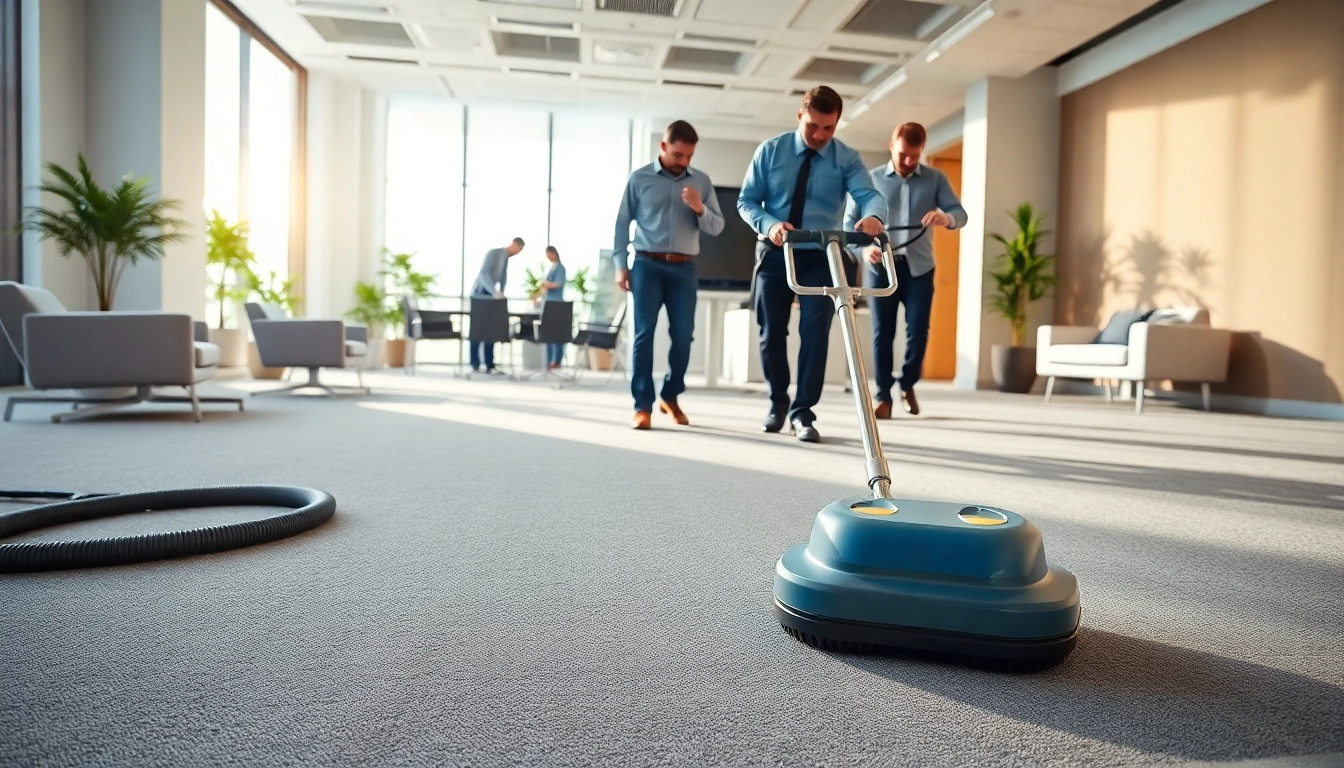
Understanding Commercial Carpet Cleaning
What is Commercial Carpet Cleaning?
Commercial carpet cleaning refers to the specific processes and techniques used to clean carpets in business and industrial environments. Unlike residential carpet cleaning, which often tends to be less frequent and less intensive, commercial carpet cleaning is designed to handle higher foot traffic, various types of stains, and specific maintenance needs dictated by different business types. This typically includes offices, retail spaces, hotels, and various other public facilities.
The Importance of Regular Maintenance
The regular maintenance of carpets in commercial spaces is an essential aspect of business operations. Not only does it enhance the aesthetic appeal of the environment, but it also contributes significantly to a healthier workplace. Dirt and allergens that accumulate in carpets can affect indoor air quality, leading to health issues among employees and customers alike.
Moreover, regular commercial carpet cleaning can prolong the lifespan of carpets. This can lead to substantial cost savings in the long run, as replacing carpets more frequently can become a major financial burden.
Common Challenges in Commercial Environments
Some of the most common challenges faced in commercial carpet cleaning include:
- High Traffic Areas: Frequent foot traffic can cause rapid wear and tear on carpets.
- Staining: Spills from food, beverages, or chemicals can lead to permanent stains if not treated properly.
- Allergens: Dust mites and allergens tend to accumulate in carpets, necessitating regular and thorough cleaning.
- Odors: Carpets can retain odors from pets, smoke, or spills, contributing to unpleasant indoor environments.
Choosing the Right Carpet Cleaning Methods
Overview of Cleaning Techniques
Choosing the right carpet cleaning method depends on various factors such as carpet type, level of soiling, and specific business needs. Common techniques include:
- Steam Cleaning: This method uses high-pressure steam to clean carpets and is effective for removing deep-seated dirt.
- Dry Cleaning: Involves the use of specialized cleaning compounds that absorb dirt, allowing faster drying times.
- Shampooing: Cleans carpet fibers with a solution that traps dirt and can require more drying time.
- Bonnet Cleaning: Often used in commercial settings, this method utilizes absorbent pads to soak up surface dirt.
Benefits of Professional Services
Professional carpet cleaning services bring a wealth of benefits to commercial spaces. They utilize advanced equipment and specialized cleaning detergents that are more effective than typical consumer-grade products. Additionally, professionals are trained to identify and treat specialized stains, ensuring that carpets are cleaned thoroughly without damaging fibers or backing.
The Role of Eco-Friendly Solutions
As sustainability becomes a focal point for many businesses, eco-friendly carpet cleaning solutions are gaining popularity. These products minimize environmental impact, reduce harmful chemicals in the workplace, and are often safer for both employees and customers. Many eco-friendly solutions are effective in removing stains and allergens while being non-toxic.
DIY vs. Professional Carpet Cleaning
When to Consider Professional Help
While some businesses may opt for DIY carpet cleaning to save costs, there are situations where professional services become necessary. If carpets are heavily soiled or stained, or if allergens have accumulated to unsafe levels, hiring professionals can ensure a deeper clean. Additionally, businesses with a high volume of foot traffic should consider regular professional maintenance to keep carpets in pristine condition.
Tools and Tips for DIY Cleaning
If a business chooses to pursue DIY carpet cleaning, they should consider the following tools and tips:
- Carpet Cleaners: Invest in a good-quality carpet cleaner that suits the carpet type.
- Cleaning Solutions: Choose appropriate cleaning solutions for specific stains.
- Stain Removal Techniques: Be sure to act quickly when spills occur using blotting techniques rather than scrubbing.
Cost Comparison and Budgeting
Budgeting for carpet cleaning involves weighing the costs of professional services against DIY methods. While DIY might appear cheaper, it often doesn't include the deep cleaning necessary to remove allergens or stains. Professional services might require a heavier initial investment but can ultimately save money through extended carpet life and improved workplace health.
Enhancing Longevity of Carpets through Cleaning
Preventative Measures for Carpet Care
To prolong the life of carpets, implement preventative measures such as placing mats at entrances, using furniture coasters to prevent crushing, and implementing a regular cleaning schedule. Regular vacuuming significantly reduces dirt buildup, and addressing spills quickly can prevent stains from setting.
Signs Your Carpets Need Immediate Attention
Some indicators that carpets may need immediate professional cleaning include:
- Visible stains that cannot be cleaned with standard products.
- Persistent odors that linger even after basic cleaning.
- Significant discoloration or wear patterns from regular foot traffic.
Post-Cleaning Care Tips
After professional cleaning, businesses should consider several care tips to maintain carpets in good condition:
- Avoid walking on newly cleaned carpets for at least 24 hours to ensure thorough drying.
- Rearrange furniture to prevent carpet indentations and wear.
- Establish a regular maintenance schedule to keep carpets looking fresh.
Measuring the Impact of Carpet Cleaning on Business
Customer Experience and Perception
The cleanliness of a business greatly affects customer experience and perception. A clean, well-maintained carpet reflects professionalism and quality service. Customers are more likely to return and recommend businesses that present a clean ambiance.
Health Benefits of Clean Carpets
Beyond aesthetics, clean carpets significantly improve indoor air quality. Regular carpet cleaning can minimize allergens, dust, and other pollutants, contributing to a healthier environment for both employees and customers. This leads to less absenteeism and increased productivity, which is vital for long-term business success.
Calculating ROI on Cleaning Investments
Calculating the return on investment (ROI) for carpet cleaning involves analyzing various factors, including the cost of cleaning, the lifespan extension of carpets, and reduced employee sick days due to better health. A solid ROI assessment will help justify cleaning budgets to management and reinforce the importance of maintaining a clean work environment.
Frequently Asked Questions
How often should commercial carpet cleaning be done?
Generally, commercial carpets should be deep cleaned every 6-12 months, depending on foot traffic and type of business. High-traffic areas may require more frequent cleaning.
What are the benefits of professional cleaning?
Professional cleaning ensures deep removal of dirt, allergens, and stains, prolongs carpet life, and improves workplace aesthetics and health.
Can I clean carpets myself effectively?
Yes, but effectiveness varies. DIY methods may not remove deep-seated dirt and allergens as thoroughly as professional techniques.
What eco-friendly options are available for carpet cleaning?
Many eco-friendly solutions utilize biodegradable and non-toxic ingredients, ensuring minimal environmental impact while providing effective cleaning.
How do I select a commercial carpet cleaning service?
Look for services with good reviews, sustainable practices, and experience in commercial cleaning. Request quotes and confirm services offered.