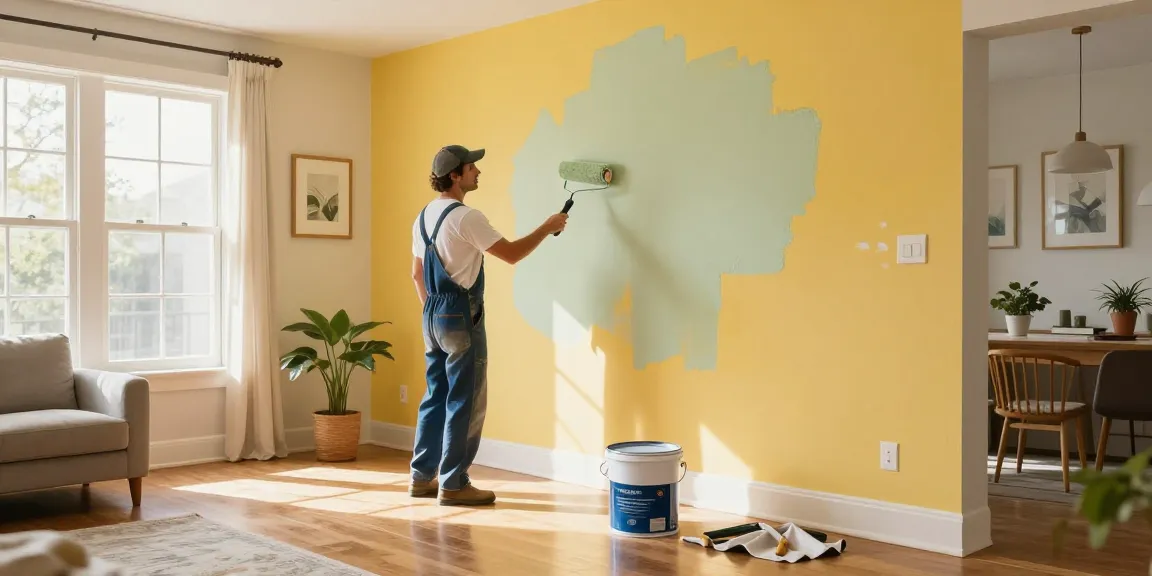
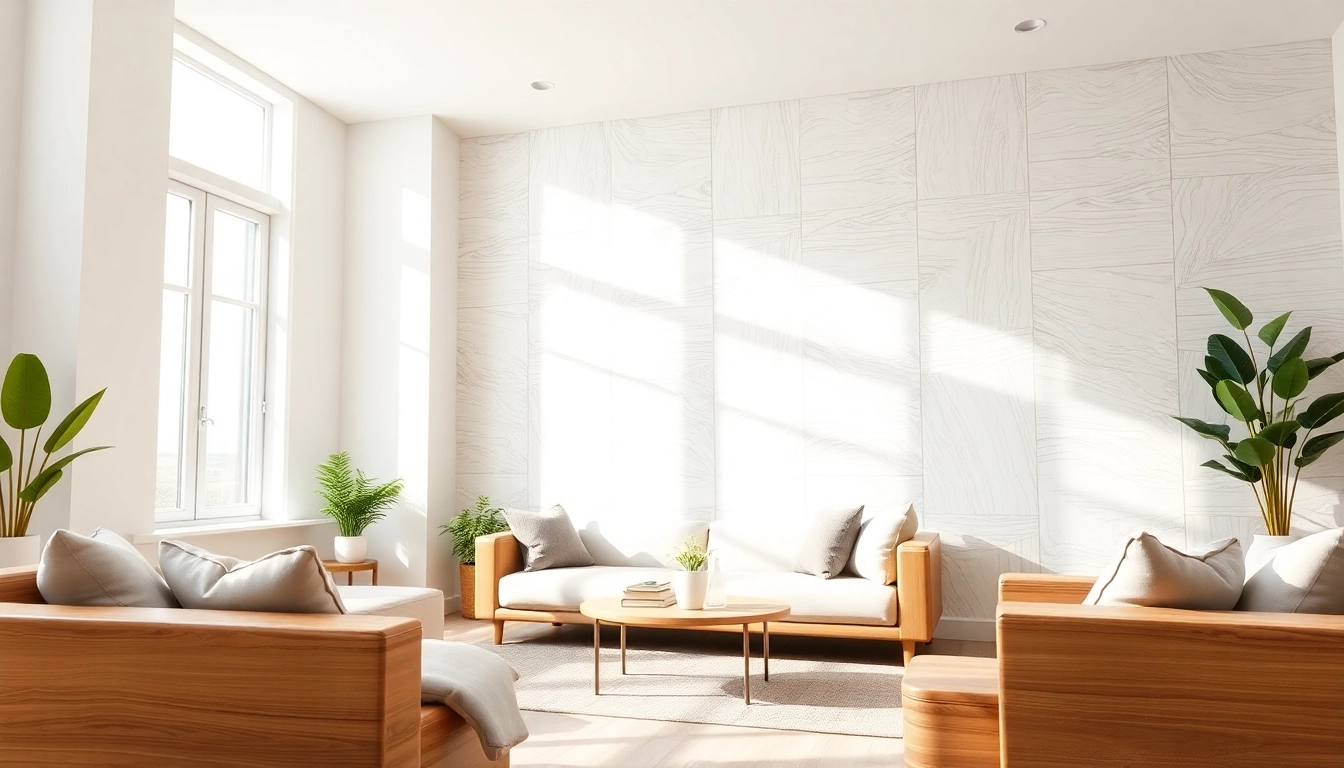
Introduction to Peel and Stick Wall Panels
As home decoration trends shift towards simplicity and efficiency, peel and stick wall panels have emerged as a favored solution amongst homeowners and designers alike. These innovative panels are revolutionizing the way we think about interior design, offering a blend of convenience and aesthetic appeal. Whether you're looking to create a striking accent wall or refresh an entire room, peel and stick options provide an easy and affordable method to transform your space.
What Are Peel and Stick Wall Panels?
Peel and stick wall panels are versatile decorative materials designed for effortless installation. They typically consist of lightweight materials with adhesive backing, making them user-friendly for non-professionals. Available in numerous styles, colors, and textures, these panels can mimic the appearance of wood, stone, or tile, allowing homeowners to achieve high-end looks without the high-end price tags. They are particularly noted for their ease of removal, making them ideal for renters or those who frequently change their décor.
Benefits of Using Peel and Stick Wall Panels
The benefits of incorporating peel and stick wall panels into your design project are numerous:
- Ease of Installation: No tools or specialized skills are required, allowing you to refresh your space quickly.
- Cost-Effective: They are often more affordable than traditional wall treatment methods, reducing overall project costs.
- Flexibility: These panels can easily be removed and replaced without causing damage, making them perfect for temporary installations.
- Design Variety: Available in countless designs, textures, and colors, ensuring that there’s a style suitable for every decor theme.
- Durability: Made from high-quality materials, many peel and stick wall panels offer moisture-resistance and easy maintenance.
Common Applications for Peel and Stick Wall Panels
The versatility of peel and stick wall panels enables their use in various settings:
- Residential Spaces: Ideal for living rooms, bedrooms, and kitchens, these panels can create focal points and unique atmospheres.
- Commercial Use: Offices and retail environments benefit from eye-catching designs that enhance branding and customer experience.
- DIY Projects: Crafty individuals can use them for projects such as headboards, accent furniture, or unique photo backdrops.
Choosing the Right Peel and Stick Wall Panels
Material Options: A Comparison
Different materials used in peel and stick wall panels can influence durability, cost, and aesthetic appeal. Common options include:
- PVC: Known for its water and stain resistance, PVC panels are ideal for areas like kitchens and bathrooms.
- Wood Veneer: Providing a natural look, wood veneer options offer warmth and elegance, making them suitable for living areas.
- Textile Panels: Fabric-based panels add softness and color but may require more maintenance compared to other materials.
Design and Aesthetic Considerations
When selecting peel and stick wall panels, consider the overall design aesthetic you wish to achieve. Options range from rustic wood finishes and sleek modern styles to geometric patterns and vibrant colors. Think about:
- Complementary Colors: Choose panels that complement existing décor and color schemes.
- Texture: Mixing different textures can add visual interest and depth to your walls.
- Scale of Patterns: Large patterns can make a bold statement in expansive spaces, while smaller patterns may better suit cozy areas.
Sizing and Dimensions for Your Space
Measuring your wall accurately is crucial for a successful installation. Peel and stick wall panels come in various sizes; therefore, understanding your wall dimensions will help you maximize material use and avoid wastage. Common sizes include:
- 4x8 Feet: Ideal for covering large areas quickly.
- 2x4 Feet: Perfect for accent walls or smaller sections.
- Custom Sizes: Some manufacturers offer custom sizes to fit unique wall configurations.
Installation Guide for Peel and Stick Wall Panels
Preparation Steps Before Installation
Preparation is key to ensuring a successful installation. Follow these steps:
- Clean the Wall: Remove dust, dirt, and grease to ensure proper adhesion.
- Measure and Plan Layout: Map out where the panels will go, accounting for patterns and seams.
- Gather Necessary Tools: While most installations require minimal tools, having a utility knife, ruler, and level will facilitate accuracy.
Step-by-Step Installation Process
- Start with the First Panel: Align the panel with your starting point, ensuring it is level.
- Peel the Backing: Carefully peel off the backing while adhering the panel to the wall; this helps prevent misalignment.
- Press Firmly: Smooth out air bubbles by pressing from the center outward.
- Install Additional Panels: Continue installing the remaining panels, ensuring edges line up for a seamless look.
Tips for a Perfect Finish
For the best possible outcome, consider these tips:
- Use a Level: Keeping panels straight will enhance the finished look.
- Cut with Precision: Use a utility knife to trim edges carefully for a clean edge.
- Allow for Expansion: In humid environments, allow some space between the panels for expansion and contraction.
Maintenance and Care for Peel and Stick Wall Panels
Cleaning Techniques to Keep Them Fresh
Maintaining the appearance of your peel and stick wall panels is essential. Regular cleaning ensures their longevity. Use these techniques:
- Dust Regularly: Wipe down the panels with a soft cloth to prevent dust accumulation.
- Gentle Cleaners: Use mild soap mixed with water for spot cleaning; avoid abrasive cleaners that may damage the finish.
- Dry Thoroughly: Make sure to dry the panels after cleaning to prevent moisture buildup.
Repairing Common Issues
Over time, panels may experience wear and tear. Here’s how to handle common issues:
- Peeling Edges: Press back down and apply a small amount of adhesive if needed.
- Surface Damage: For scratches or dents, consider using touch-up paint if using wood paneling.
- Moisture Issues: If panels are installed in damp areas, ensure proper ventilation to prevent mold and mildew.
Longevity and When to Replace
With proper care, many peel and stick wall panels can last several years. However, you may need to consider replacement if:
- Panels become heavily damaged or worn.
- Colors or textures fade due to sunlight.
- There is significant buildup of mildew or mold despite cleaning efforts.
FAQs About Peel and Stick Wall Panels
What surfaces can peel and stick wall panels adhere to?
Peel and stick wall panels typically adhere well to smooth, clean surfaces such as drywall, smooth wood, or even clean tile. However, textured or uneven surfaces may hinder adhesion.
Are peel and stick wall panels removable without damage?
Yes, high-quality peel and stick wall panels are designed for easy removal without damaging the wall underneath when following proper removal techniques.
Can I use peel and stick wall panels in bathrooms?
Absolutely! Many peel and stick wall panels are moisture-resistant, making them suitable for bathrooms. Just ensure they are rated for high humidity areas.
How do I measure for my peel and stick wall panels?
Measure the height and width of the wall to be covered. Multiply these dimensions for total square footage. Plan for a few extra panels for cuts and mistakes.
What designs are most popular for peel and stick wall panels?
Popular designs include faux wood finishes, stone patterns, geometric shapes, and vibrant color accents, allowing homeowners to find the perfect match for their styles.