Understanding Steel Fabrication
Definition and Importance
Steel fabrication is the process of converting raw steel into a finished product that can be used for various applications. This process involves several techniques, including cutting, bending, and assembling steel parts. The significance of steel fabrication lies in its ability to produce durable and strong materials that are essential for construction, manufacturing, transportation, and other industries. As a critical component in the supply chain, understanding the intricacies of steel fabrication can help businesses streamline operations and improve the quality of their final products.
Types of Steel Fabrication Processes
Various fabrication processes accommodate different project needs. The most common types include:
- Cutting: Techniques like laser cutting, plasma cutting, and shearing are used to shape the steel.
- Bending: Processes such as press braking and roll bending allow the material to be formed into desired shapes.
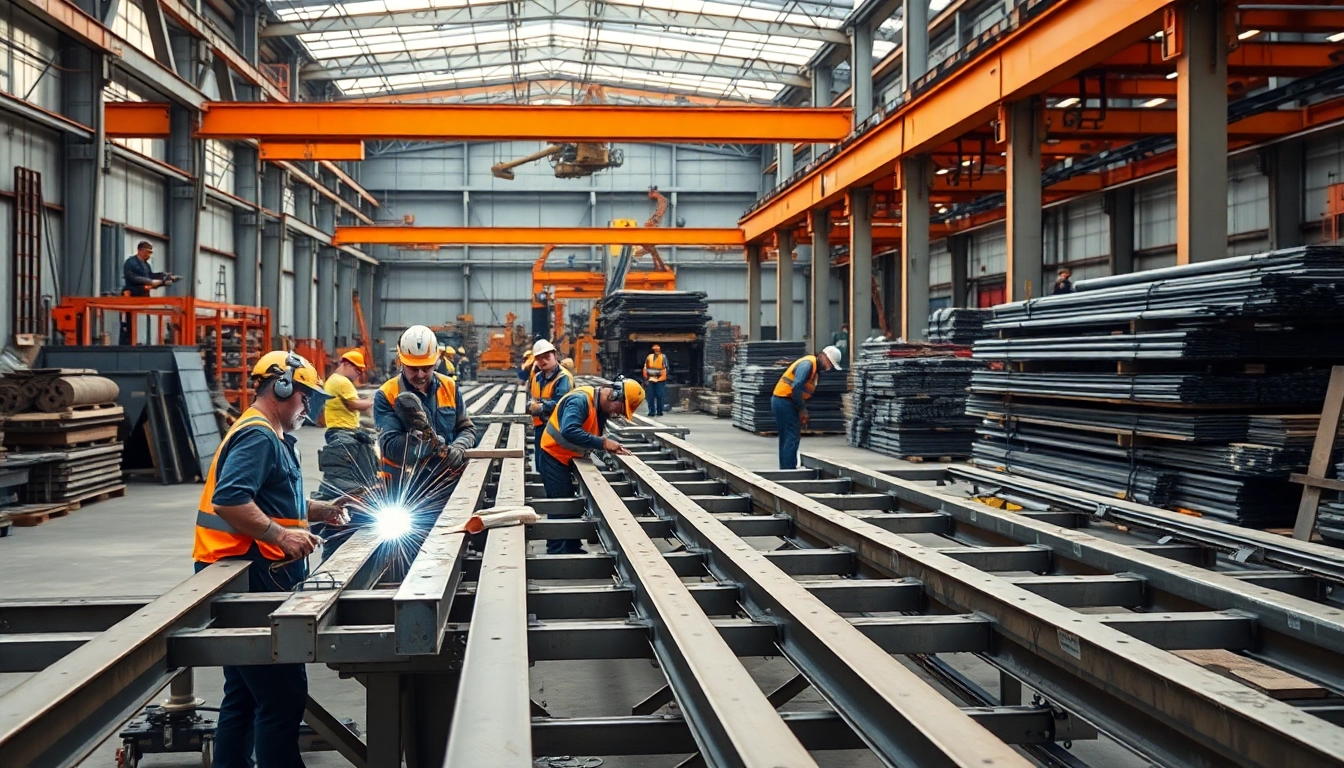
- Welding: Joining metal pieces together using heat or pressure to create a solid structure.
- Assembly: Combining various fabricated components to create a final product.
Applications of Fabricated Steel
Steel fabrication serves a wide range of industries, including:
- Construction: Structural steel beams, columns, and frames are essential for building infrastructure.
- Transportation: Fabricated steel parts are used in vehicles, railways, and airplanes.
- Manufacturing: Components for machinery and equipment often rely on precision-engineered fabricated steel.
- Energy: Steel fabrication plays a crucial role in creating components for renewable energy sources such as wind turbines and solar panels.
The Key Components of a Steel Fabrication Shop
Essential Equipment and Tools
A well-equipped steel fabrication shop is essential for producing high-quality products. Key equipment includes:
- Cutting Tools: Laser cutters, plasma cutters, and saws for precision cutting.
- Bending Machines: Press brakes and rolling machines for creating complex shapes.
- Welding Equipment: MIG, TIG, and stick welding machines for permanently joining pieces.
- Assembly Tools: Clamps, jigs, and fixtures for accurate assembly and construction.
Staff Skills and Training
The effectiveness of a steel fabrication shop greatly depends on the skills of its workforce. Essential competencies include:
- Technical Skills: Proficiency in operating machinery and understanding fabrication techniques.
- Blueprint Reading: Ability to interpret technical drawings and specifications.
- Quality Control Knowledge: Familiarity with industry standards and inspection procedures.
- Problem-Solving Skills: Capacity to address challenges that arise during fabrication.
Safety Standards and Practices
Safety is paramount in a steel fabrication shop. Adopting stringent safety practices includes:
- Providing personal protective equipment (PPE) such as gloves, helmets, and goggles.
- Regular training on machine safety and emergency procedures.
- Conducting safety audits to identify and mitigate hazards.
- Establishing clear emergency protocols and first-aid training.
Streamlining Operations in a Steel Fabrication Shop
Optimizing Workflow Processes
Streamlined operations lead to increased efficiency and productivity. Key strategies include:
- Process Mapping: Visualizing workflows to identify bottlenecks and areas for improvement.
- Lean Manufacturing Principles: Implementing techniques to minimize waste and maximize value.
- Cross-Training Staff: Encouraging flexibility and adaptability among workers.
- Regular Maintenance: Maintaining machinery to ensure optimal performance and avoid downtime.
Implementing Inventory Management
Effective inventory management is crucial for ensuring the timely availability of materials. Important practices include:
- Just-In-Time (JIT): Reducing warehouse costs by ordering materials only as needed.
- Stock Tracking Solutions: Using software to monitor inventory levels in real time.
- Supplier Relationships: Building strong relationships with suppliers for better pricing and reliability.
- Regular Audits: Conducting frequent audits to manage stock levels effectively.
Quality Control Metrics
Establishing quality control metrics ensures that products meet industry standards. Key metrics include:
- Defect Rate: Tracking the number of defective products against total output.
- Rework Rate: Measuring how many products require additional work before being accepted.
- On-Time Delivery Rate: Assessing the percentage of orders shipped on schedule.
- Customer Satisfaction: Gathering feedback from customers to evaluate quality perceptions.
Innovative Technologies in Steel Fabrication
Automation in Fabrication
Automation leads to significant advancements in production capabilities. Key benefits include:
- Increased Precision: Automated processes minimize human error, resulting in higher accuracy.
- Higher Production Rates: Machines work faster and can operate continuously without fatigue.
- Cost Efficiency: Long-term savings from reduced labor costs and higher outputs.
Software Solutions for Design and Management
State-of-the-art software solutions aid in both design and operational management. Notable tools include:
- CAD Software: Used for designing detailed blueprints and 3D models.
- ERP Systems: Integrates various business functions to enhance workflow and decision-making.
- Project Management Tools: Coordinates tasks, resources, and budgets for successful project delivery.
Future Trends in Steel Fabrication
Emerging trends in the steel fabrication industry point towards a more innovative approach:
- Sustainability: A growing emphasis on eco-friendly practices and material sourcing.
- Smart Factories: The integration of IoT and AI for improved predictive maintenance and operations.
- Advanced Materials: Research into new alloys and composite materials to enhance performance.
Frequently Asked Questions About Steel Fabrication Shop
What materials are primarily used in steel fabrication?
Steel, aluminum, and other metals are commonly used in steel fabrication processes due to their strength and versatility.
How can I improve the safety in a steel fabrication shop?
Implementing regular safety training, proper equipment maintenance, and clear safety signages can enhance safety standards significantly.
What are the cost factors in a steel fabrication shop?
Cost factors include raw material prices, labor costs, overhead expenses, and equipment maintenance, influencing overall profitability.
Can I integrate automation in processing at my steel fabrication shop?
Yes, automation can improve efficiency and precision in processes like cutting, welding, and material handling, boosting productivity.
How do I choose the right fabricator for my project?
Look for experience, past project portfolios, certifications, and client reviews to select a reputable and skilled steel fabricator.
Investing in a steel fabrication shop enhances your production capabilities while ensuring quality in every fabricated piece. Businesses that focus on improving operational efficiency, employee training, and embracing technology will thrive in the competitive landscape of steel fabrication.