
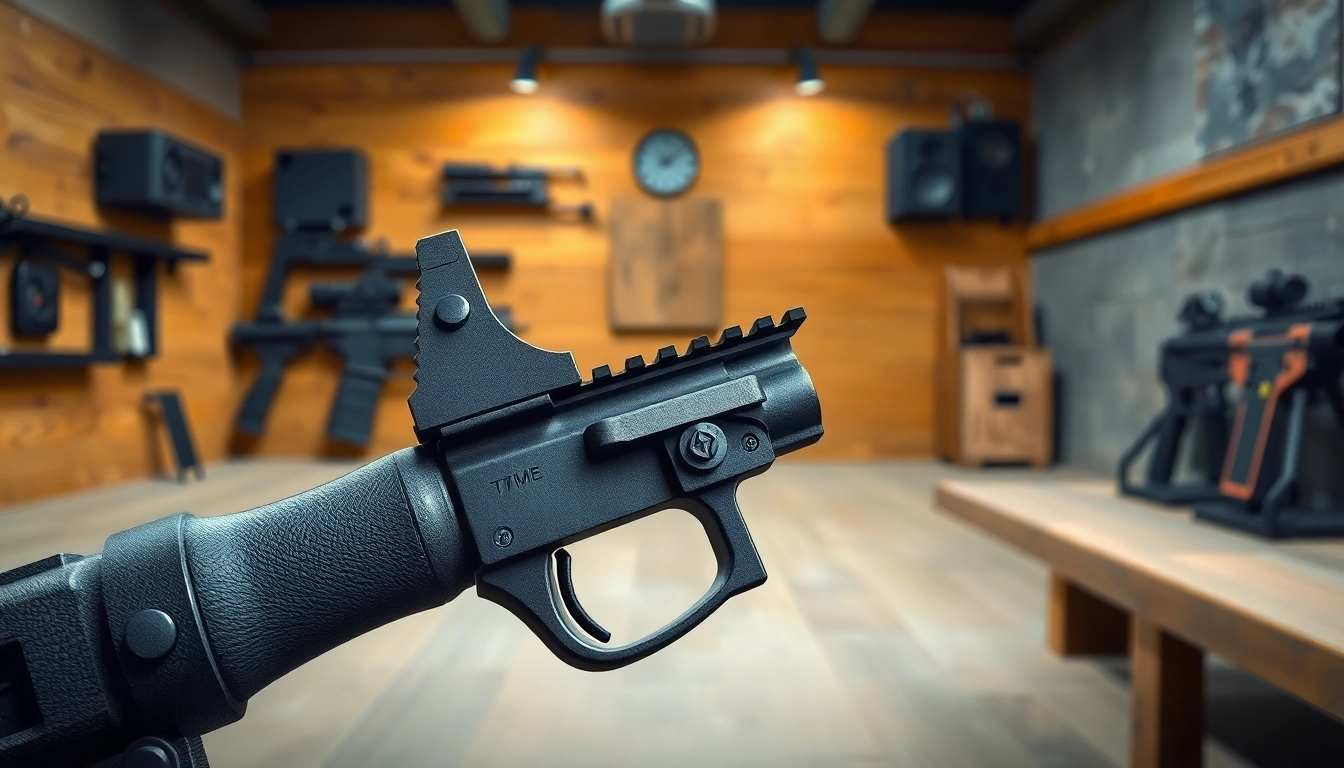
The effective performance of an AR-15 rifle greatly depends on its various components, among which the trigger plays a vital role. A well-crafted AR 15 trigger can significantly enhance shooting performance, accuracy, and overall shooting experience. In this comprehensive guide, we'll delve into the nuances of AR 15 trigger systems, emphasizing their types, performance features, top picks, installation and maintenance, and addressing frequently asked questions.
Understanding the Basics of AR 15 Trigger Systems
What is an AR 15 Trigger?
An AR 15 trigger is a component integral to the operation of the AR-15 platform, responsible for initiating the firing sequence. When the shooter pulls the trigger, it releases the hammer, firing the firearm. Although seemingly simple in function, the design and quality of the trigger can significantly affect how pleasant and effective a gun is to shoot.
Types of AR 15 Triggers
There are primarily two types of AR 15 triggers: single-stage triggers and two-stage triggers.
- Single-Stage Triggers: These triggers have a direct connection between the trigger pull and the hammer release. This means that there is no take-up or travel distance before the trigger actuates. The result is often a crisper feel, which many shooters prefer for rapid-fire scenarios.
- Two-Stage Triggers: A two-stage trigger involves a noticeable first stage (take-up) that builds tension before the hammer is released in the second stage. Many marksmen prefer this type for precision shooting as it allows for better control and anticipation of the shot.
Functions of an AR 15 Trigger
The primary function of the AR 15 trigger is to control the hammer mechanism, but its features encompass several critical elements. A well-designed trigger provides a consistent feel, enabling ease of operation and allowing the shooter to maintain better control over their shots. Additionally, it plays a role in enhancing the overall safety of the firearm.
Evaluating Performance Features of AR 15 Triggers
Pull Weight and Trigger Feel
The pull weight refers to the amount of force required to pull the trigger. It is typically measured in pounds and can vary significantly. A lighter pull weight is often preferred for precision shooting, as it allows for a more relaxed shooting posture, but can also lead to unwanted discharges if not managed carefully. Conversely, a heavier pull might be suitable for duty weapons meant to prioritize safety and prevent accidental discharges.
Travel Distance and Reset Mechanics
Travel distance relates to how far the trigger must be pulled before it engages the firing mechanism. A shorter travel distance is generally preferred in competitive shooting environments, where speed is crucial. Reset mechanics define how quickly the trigger can be pulled again after the initial pull. A swift reset helps in achieving rapid follow-up shots, which is key for dynamic shooting scenarios.
Impact on Shooting Accuracy
The interplay of pull weight, travel distance, and reset mechanics directly affects shooting accuracy. The lighter and crisper a trigger feels, the better a shooter can control their finger's release action, leading to more consistent shot placement. An effective trigger can help mitigate human factors like flinching or jerking due to an unexpected trigger pull.
Top Picks for AR 15 Triggers
Budget-Friendly Options
For those seeking quality without breaking the bank, there are numerous budget-friendly AR 15 triggers available. These generally offer a balance of functionality and performance, making them excellent for new shooters or those looking for an upgrade without extensive investment.
Mid-Range Choices
Mid-range triggers offer enhanced features over budget options, often including adjustable pull weights and refined operation. These triggers typically accommodate a broader range of shooting styles and preferences, allowing shooters to fine-tune their setup for optimal performance.
High-End Performance Triggers
High-end triggers are made from premium materials and engineered for peak performance. Shooters investing in these triggers can expect superior feel, reduced pull weight, optimal reset speed, and an overall seamless shooting experience. Such triggers are often favored by competitive shooters or those looking to maximize their rifle's potential.
Installation and Maintenance of AR 15 Triggers
How to Install an AR 15 Trigger
Installing an AR 15 trigger is typically a straightforward process but does require attention to detail. Key steps include:
- Ensure the rifle is unloaded and the receiver is secure.
- Remove the existing trigger mechanism, usually done by detaching the pins holding it in place.
- Install the new trigger, aligning it properly with the hammer and safety selector.
- Reinsert the pins and double-check the setup to ensure correct operation.
Common Issues and Solutions
Some common issues with AR 15 triggers include excessive creep, heavy pull weight, or inconsistency in the break point. Proper installation will often solve these issues, but in cases where problems persist, consulting a competent gunsmith or referring to troubleshooting guides can provide effective solutions.
Routine Maintenance Tips
Regular maintenance is essential for the smooth operation of AR 15 triggers. This includes cleaning and lubricating the trigger mechanism, inspecting parts for wear or damage, and ensuring that the trigger responds properly. Such practices will enhance longevity and performance stability.
Frequently Asked Questions About AR 15 Triggers
What is the best trigger for an AR 15?
The best trigger varies by personal preference. It often depends on whether you prefer a single-stage or two-stage setup, your shooting style, and your budget.
Is upgrading the AR 15 trigger worth it?
Upgrading is typically beneficial, transforming your shooting experience by enhancing accuracy, feel, and overall performance, especially for competitive or recreational shooting.
How can I choose the right AR 15 trigger for my needs?
Assess your shooting style, preferences for weight, and desired trigger feel. Consider whether you'll use your AR for recreation or competition to guide your selection.
Are there legal restrictions on certain trigger types?
Legal regulations can vary by location. Always check your local laws regarding trigger types, especially for items like forced-reset triggers which may have specific restrictions.
What tools do I need to install an AR 15 trigger?
Essential tools include a punch tool for drift pins, screwdrivers, and possibly pliers. Having the right tools ensures a secure and effective installation.