Understanding Steel Fabrication Shops
Steel fabrication shops are essential players in the field of construction and manufacturing, providing the necessary services to transform raw steel into usable products. These facilities specialize in a wide range of processes that include cutting, welding, machining, and assembly. By understanding the intricacies of how these shops operate, businesses can better appreciate their role and the services they offer. In particular, knowing what to look for in a steel fabrication shop can greatly influence the success of a project.
What is Steel Fabrication?
Steel fabrication is the process of creating steel structures by various methods such as cutting, bending, and assembling. This method begins with raw steel in various forms including sheets, rods, and beams. The fabrication process can be approached in numerous ways depending on the final product’s design requirements.
Primary methods of fabrication include:
- Cutting: Steel is cut into specific dimensions using various techniques such as shearing, laser cutting, or water jet cutting.
- Bending: This involves shaping steel into required angles and curves through processes like press brake forming or roll bending.
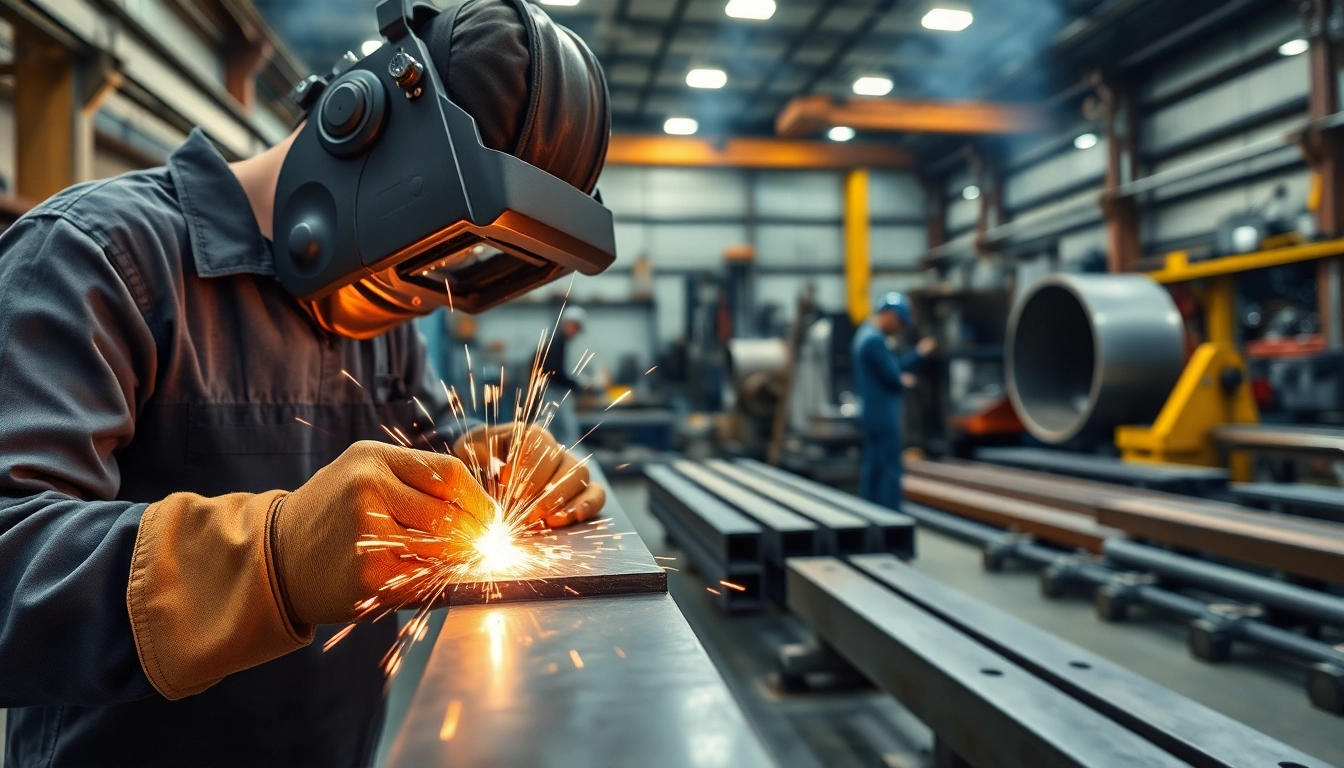
- Welding: Different pieces of steel are joined together using welding techniques to form a robust structure.
- Finishing: The final steps include processes such as painting, galvanizing, or coating to protect against corrosion.
The Role of Steel Fabrication Shops in Construction
Steel fabrication shops play a pivotal role in the construction industry by supplying high-quality prefabricated structures that are pre-engineered for ease of assembly on site. They help ensure that projects are completed more efficiently and cost-effectively. Key contributions include:
- Producing structural steel beams and columns that form the backbone of buildings.
- Creating metal products needed for construction machinery and tools.
- Providing tailored metal solutions for specific architectural designs.
- Fulfilling special orders for custom projects in both industrial and commercial settings.
Effective collaboration with a steel fabrication shop can significantly reduce construction time and enhance the overall quality of the final product.
Key Processes in Steel Fabrication
The steel fabrication process is multi-faceted and emphasizes precision and quality. Key processes include:
- Design: This phase involves creating detailed designs, often utilizing computer-aided design (CAD) that allows for precise modeling of the product.
- Raw Material Selection: Choosing the right type and grade of steel is vital based on the project's requirements, including structural integrity and environmental factors.
- Machining: Components may require machining to achieve specific tolerances, involving processes such as milling and drilling.
- Assembly: Pieces are assembled with meticulous attention, often involving sub-assemblies that will later be joined on-site.
- Quality Assurance: Throughout fabrication, rigorous testing and quality checks are performed to ensure compliance with industry standards.
Essential Services Offered by Steel Fabrication Shops
Custom Metal Fabrication Solutions
Many steel fabrication shops provide custom fabrication solutions tailored to meet the unique needs of their clients. This includes designing and fabricating parts and assemblies to exact specifications. Each custom project usually involves collaboration with the client to understand their design vision, functional requirements, and budget constraints. Examples of custom metal work include:
- Custom staircases and railings that match architectural aesthetics.
- Fabricated structural components for unique building designs.
- Specialized machinery parts that fit specific industrial applications.
Structural Steel Fabrication Services
Structural steel fabrication is one of the most critical services provided by steel fabrication shops. This process involves creating the primary load-bearing structures necessary for buildings, bridges, and other infrastructure. The fabrication of structural steel involves several steps, such as:
- Preparing detailed shop drawings that outline fabrication processes.
- Executing precise cutting and shaping of steel plates and beams.
- Welding and assembling steel structures according to engineering specifications.
Having a solid understanding of local codes and regulations is paramount to avoid potential legal issues and ensure safety during construction.
Fabrication for Various Industries
Steel fabrication shops cater to a diverse range of industries beyond construction, including:
- Automotive: Customized components for manufacturing both conventional and electric vehicles.
- Aerospace: Precision-engineered parts for aircraft and rockets requiring lightweight but durable materials.
- Energy: Fabricating structures and components for renewable energy projects, including wind turbines and solar farms.
- Rail and Transportation: Providing rail tracks, bridges, and future transportation solutions that are fabricated for specific loads and operating conditions.
By specializing in various sectors, steel fabrication shops can better address specific requirements and elevate industrial standards.
Selecting the Right Steel Fabrication Shop
Key Factors to Consider When Choosing a Shop
Choosing the right steel fabrication shop is critical for ensuring the quality and efficiency of your project. Key factors include:
- Experience: Look for a shop with a proven track record in your specific industry or type of project.
- Capabilities: Evaluate whether the shop has the necessary technology, machinery, and skills to handle your project size and complexity.
- Certifications: Ensure the shop complies with industry standards and possesses relevant certifications that reflect their commitment to quality and safety.
Evaluating Skills and Equipment
The skills of the workforce and the quality of equipment are vital considerations in selecting a steel fabrication shop. Assess the mechanical capabilities and the talent pool in these ways:
- Workforce Expertise: A well-trained staff enhances productivity and quality, so inquire about qualifications and ongoing training.
- Advanced Machinery: Check if the shop uses up-to-date and advanced fabrication technology, such as CNC machines and robotics, which can improve precision and efficiency.
- Safety Practices: Safety is paramount in manufacturing environments. Evaluate the shop's safety protocols and incident history to ensure a responsible partner.
Importance of Client Testimonials and Case Studies
Client testimonials and case studies provide insight into a fabrication shop's capabilities and reliability. Here’s how to use this information effectively:
- Gather Feedback: Look for reviews from previous clients or reach out for references to have direct conversations about their experiences.
- Review Case Studies: Examine case studies on similar projects and how the shop overcame challenges and delivered successful outcomes.
- Consider Long-Term Relationships: A good fabrication partner values long-term relationships with clients offering them contained support and responsive service even after the project ends.
Innovations in Steel Fabrication Technology
Advanced Machinery and Techniques in the Industry
Innovation in steel fabrication technology is advancing rapidly, introducing new methods and machinery that enhance productivity and precision. Key advancements include:
- Automated Fabrication: Automation reduces human error, speeds up the process, and maintains consistent quality through machinery that replicates processes with high precision.
- 3D Printing: This emerging technology allows for the rapid prototyping of components and even full-scale assemblies, allowing for design versatility.
- Robotics: The introduction of industrial robots in welding and cutting applications enhances efficiency and accuracy, leading to faster turnarounds.
The Impact of Computer-Aided Design (CAD)
Computer-Aided Design (CAD) has transformed the way steel fabrication shops operate. Its impact is seen in several areas:
- Precision Design: CAD allows for exact 3D modeling, ensuring that dimensions and specifications meet engineering standards.
- Seamless Collaboration: With CAD software, clients and engineers can collaborate in real-time, making adjustments as needed before physical production begins.
- Efficiency in Production: CAD files can often be sent directly to fabrication equipment, minimizing delays and the chance of conversion errors.
Environmental Considerations and Sustainability Practices
With increasing awareness of the environmental impact of industrial processes, steel fabrication shops are adopting sustainability practices. Important strategies include:
- Material Optimization: This process involves minimizing waste through careful planning and use of software to calculate required quantities precisely.
- Recycling Scrap Metal: Many shops have policies in place to recycle offcuts and scraps, significantly reducing landfill contributions.
- Energy Efficiency: Investments in energy-efficient machinery and processes help lower the carbon footprint of fabrication operations.
Best Practices for Collaborating with Steel Fabrication Shops
Effective Communication of Project Requirements
Clear communication is essential for successful collaboration with a steel fabrication shop. Best practices include:
- Define Project Scope: Be explicit about your project’s needs, timelines, and budget from the outset to promote alignment among all parties.
- Regular Updates: Schedule periodic meetings to update all stakeholders on project progress and resolve any issues that might arise.
- Use Visual Aids: Provide drawings, diagrams, or examples to give the fabrication shop a better understanding of the final product expectations.
Coordinating Timelines and Deliverables
Effective timing and scheduling are crucial in construction projects. Collaborate closely with your fabrication partner to:
- Establish Milestones: Set clear milestones for project phases to ensure that both sides maintain momentum and meet deadlines.
- Plan for Lead Times: Steel fabrication can involve significant lead times for materials and production. Plan for these in your project schedule.
- Contingency Planning: Develop contingency plans for potential delays in production or delivery to maintain project integrity.
Reviewing Quality Assurance Protocols
Quality assurance is critical in steel fabrication to guarantee the structural integrity of the final product. Collaborate with your fabrication shop to:
- Understand QA Processes: Inquire about the quality assurance measures in place, such as tests conducted during various stages of fabrication.
- Conduct Inspections: Participate in pre-delivery inspections to verify that completed products meet quality standards and specifications.
- Document Issues: Maintain thorough documentation of any quality issues and resolutions to enhance future collaborations and improve processes.