
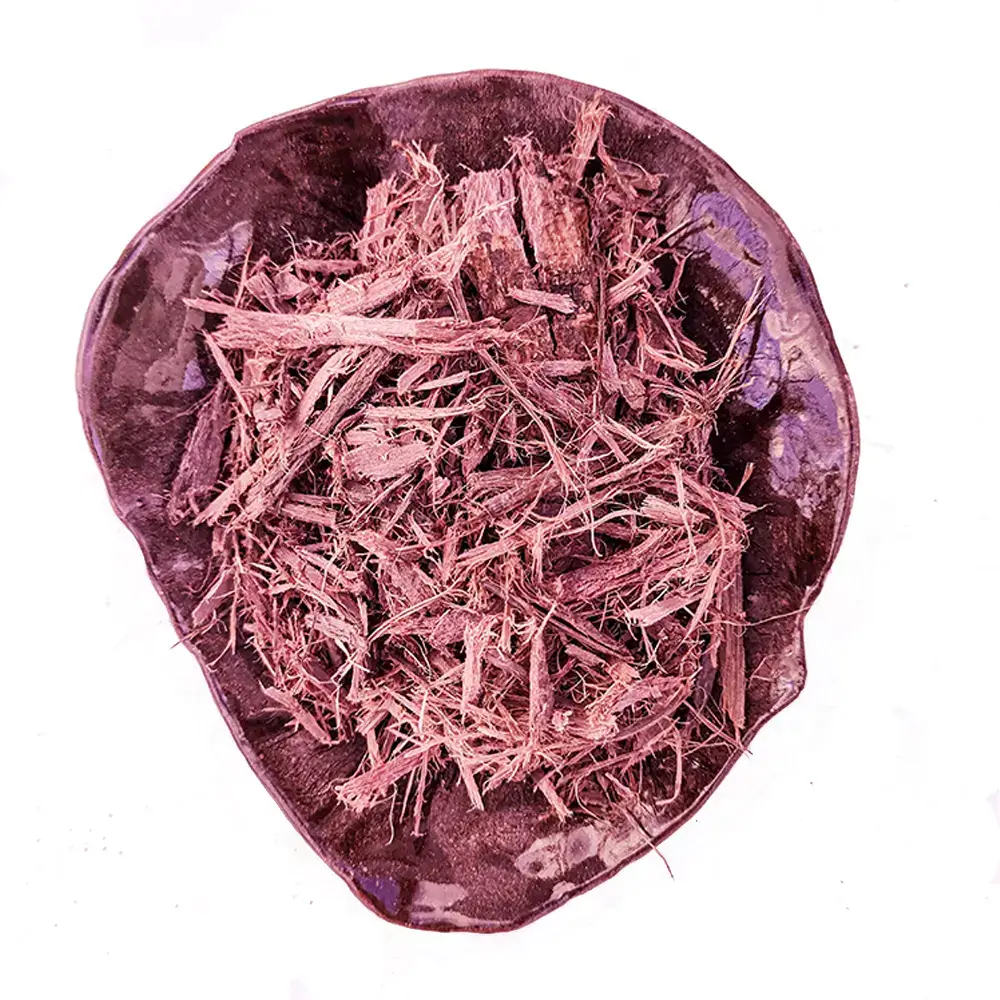
Alkanet red dye has become a favorite among artisans, eco-conscious designers, and natural dye enthusiasts who want to create beautiful colors without the use of synthetic chemicals. Sourced from the roots of the Alkanna tinctoria plant, Alkanet red dye offers a range of purple-red hues that feel earthy, vibrant, and deeply connected to traditional dyeing methods. As interest in slow fashion and organic crafting grows, Alkanet red dye continues to stand out as an accessible, sustainable, and highly versatile choice for textile creatives. This article explores its origins, uses, and techniques to help you achieve the most stunning results in your natural dyeing projects.
Understanding the Origins of Alkanet Red Dye
A Botanical Treasure
Alkanet red dye has been used for centuries in Europe, the Middle East, and Asia for coloring fabrics, cosmetics, and wood finishes. Its distinctive pigments come from natural compounds in the plant’s roots, which release color only when placed into an oil or alcohol-based extraction or processed in warm water with careful pH adjustments. For those seeking to embrace organic dyeing, Alkanet red dye offers a rich connection to history and nature.
Why Alkanet Red Dye Fits Organic Dyeing
When creating organic textiles, choosing dyes that align with environmental values is essential. Alkanet red dye is biodegradable, plant-derived, and free from harsh chemicals, making it a perfect companion for sustainable fibers like organic cotton, hemp, linen, and ethically sourced wool. Its natural origin also makes Alkanet red dye compatible with low-impact crafting studios and home dyeing setups.
Preparing Fibers for Successful Organic Dyeing
Selecting the Right Materials
Alkanet red dye bonds particularly well with protein fibers such as wool and silk, producing deeper and warmer tones. Plant fibers can also absorb Alkanet red dye beautifully, though they often require more thorough scouring and mordanting to achieve the same saturation. For fully organic projects, many artisans pair Alkanet red dye with untreated or minimally processed fibers to maintain natural integrity throughout the dyeing process.
The Importance of Mordants
Mordants help fibers absorb and retain color. When working with Alkanet red dye, alum is the most popular natural mordant because it enhances red and purple tones while remaining environmentally friendly. Iron produces deeper, moodier shades but should be used sparingly in organic dyeing due to its darkening effect. Proper mordanting ensures that Alkanet red dye produces long-lasting, vibrant results.
Extracting Color from Alkanet for Organic Dyeing
Water Extraction
Alkanet red dye is known for reacting uniquely in water-based dye baths. Gentle heating releases soft violet and wine-red tones, while adjusting the pH with additives like vinegar pushes the color toward warmer reds. Keeping the temperature low prevents browning and allows the true beauty of Alkanet red dye to emerge.
Alcohol Extraction
For deeper color saturation, many artisans soak the roots in alcohol before adding them to the dye bath. This method extracts more concentrated pigment, helping Alkanet red dye produce richer shades on both protein and cellulose fibers. Alcohol-extracted color is especially prized in organic dyeing for its intensity and consistency.
Oil Infusion
Because the pigment in Alkanet red dye dissolves well in oil, some dyers create an oil infusion to extract color. While this method is more commonly used in cosmetics, the resulting concentrate can also be incorporated into certain artistic or specialty textile applications. For eco-friendly dyeing, oil infusions of Alkanet red dye provide an alternative way to work with its pigments in non-traditional projects.
Techniques for Achieving Beautiful Organic Reds and Purples
Adjusting pH Naturally
Alkanet red dye responds dramatically to pH, making it one of the most exciting natural dyes to experiment with. Acidic conditions produce burgundy and red-wine tones, while alkaline conditions push colors toward violet or soft lavender. Using natural pH adjusters such as lemon juice or baking soda helps keep the process aligned with organic principles.
Long Steeping for Saturation
Allowing fibers to rest in the dye bath for extended periods results in deeper color penetration. Many artisans leave fibers in Alkanet red dye overnight to achieve the richest organic shades possible. The slow, patient process mirrors traditional dyeing practices and enhances the natural appeal of the final textile.
Overdyeing for Complexity
Overdyeing combines Alkanet red dye with other botanical colorants to create layered, sophisticated tones. Madder adds warmth, weld creates red-tinged oranges, and logwood deepens purples. These combinations give artisans the ability to craft unique organic palettes.
Eco-Friendly Advantages of Alkanet Red Dye
Sustainable and Renewable
Because it is plant-based, Alkanet red dye supports regenerative crafting practices. Its cultivation requires minimal resources, and its processing remains low-impact compared to synthetic alternatives.
Safe for Home Dye Studios
Alkanet red dye is gentle enough for small-batch home dyeing, reducing exposure to harmful substances and supporting a healthy creative environment.
Perfect for an Organic Lifestyle
Whether you're dyeing yarn, clothing, fabric, or handmade craft materials, Alkanet red dye aligns beautifully with organic values, natural aesthetics, and sustainable design principles.
Conclusion
Plant-derived and rich with history, Alkanet red dye is one of the most rewarding natural colorants for organic dyeing. Its versatility, environmental compatibility, and ability to produce stunning red and purple tones make it a top choice for eco-minded artisans. By understanding fiber preparation, extraction methods, pH adjustments, and sustainable techniques, you can unlock the full beauty of Alkanet red dye in your textile projects. As organic crafting continues to grow in popularity, Alkanet red dye stands ready to offer timeless color drawn straight from nature.