A recycling robot earns its place through clean picks, steady uptime, and a cost that fits the sorting line. Without product data, the useful question is not which robot looks newest, but which results a buyer can check.
- Ask for pick accuracy by material and contamination level.
- Compare throughput with the conveyor speed, not a lab demo.
- Price the gripper, cameras, software, service, and downtime together.
Start with the material stream
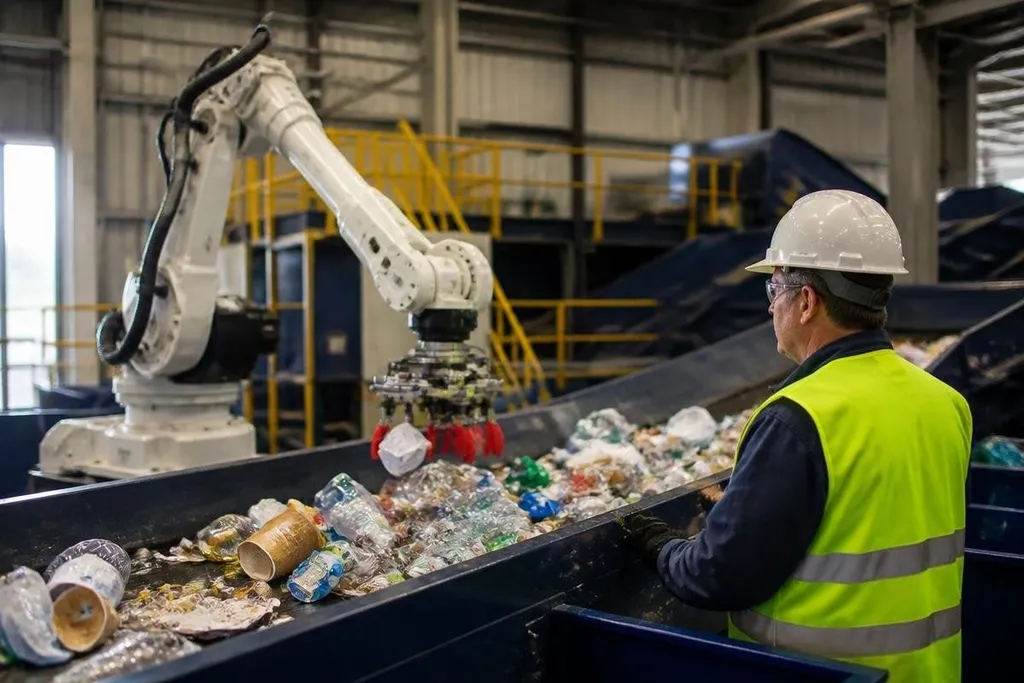
Recycling lines handle mixed material. A robot built for plastic containers may need a different gripper and vision system for paper, metal, or food packaging. The material, belt speed, item size, and item weight should shape the test plan before anyone compares robot arms.
Computer vision means software that reads camera images. On a sorting line, it may help the robot spot a target item, estimate its position, and choose where to place it. That chain can fail when items overlap, labels cover the surface, or lighting changes across the belt.
A useful supplier test names the material mix and records the result. Ask for the share of correct picks, missed items, rejected items, and items sent to the wrong bin. One total accuracy number hides the failures that affect revenue.
Throughput is a line number
A robot arm may move quickly in a short demonstration and still miss the pace of a working conveyor. The figure that matters is usable picks per minute while the belt carries mixed items at its normal speed.
The test should also record how often the arm waits for a clear target, drops an item, stops for a fault, or needs a person to reset it. Those pauses reduce output even when the arm's movement looks quick on video.
For a plant manager, the full path matters: camera view, object choice, arm movement, gripper contact, and drop location. A delay in any part can leave the robot waiting while items pass by.
The cost sits outside the robot arm
A purchase price alone won't tell you what the system costs to run. The quote should identify the arm, cameras, gripper, control computer, guarding, installation, software fees, service work, and spare parts.
Power use and floor space also affect the line. A system that needs a wide safety enclosure may force changes to conveyors or walkways. A gripper that wears out quickly can turn a small maintenance task into a regular production stop.
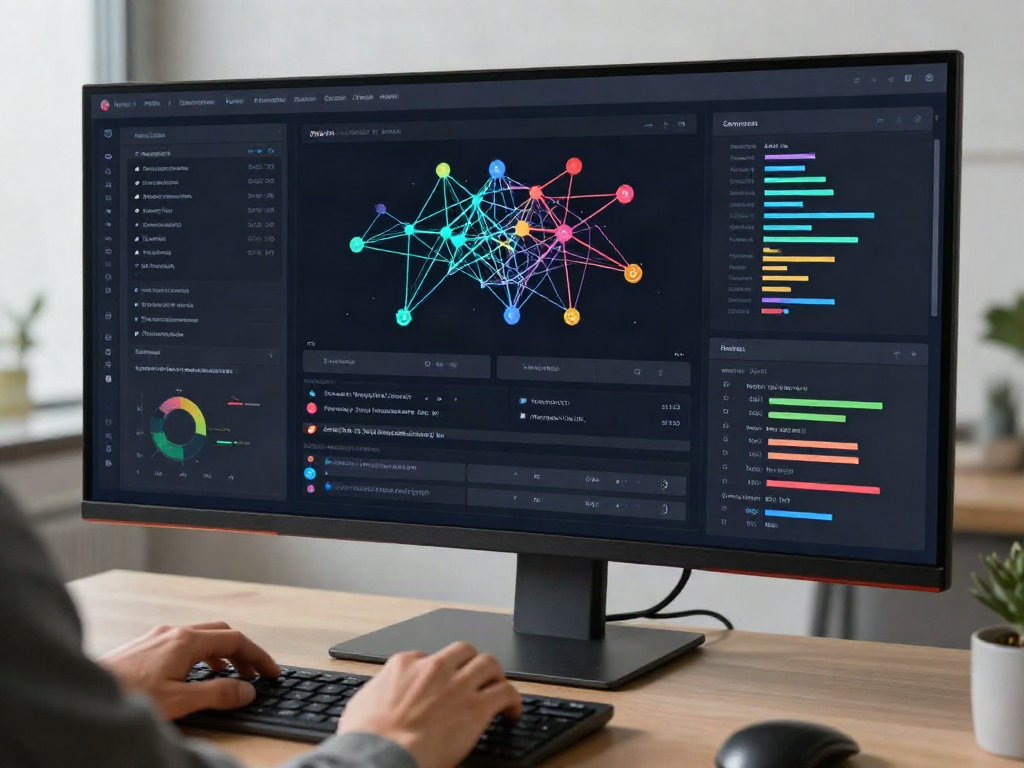
Those design choices need proof in the material stream. A recycling plant manager can use Robot24 to compare a robot’s model, material mix, test date, and sorting rate with the supplier’s claim. The hard part is the dirty, mixed waste that exposes what a clean test leaves out.
What still needs proof
The phrase “next generation” can cover better cameras, softer grippers, faster control software, or a different robot layout. Each change needs a result that a plant can measure.
The open issue is long-run work in dirty, changing conditions. Dust can affect cameras. Wet containers can change grip. A damaged item can behave differently from the clean object used in a demonstration. A system that works on one material stream may need new training and hardware on another.
I'd skip any recycling robot whose supplier gives only a clean demo and a single accuracy figure. A buyer needs operating limits, service terms, test conditions, and a clear record of what happens when the robot misses.
A buyer's check before signing
Use this list during a supplier review:
- Name the stream: record the materials, item sizes, item weights, and contamination level used in the test.
- Set the pace: run the robot at the conveyor speed planned for daily work.
- Count the misses: log wrong picks, drops, missed items, and manual resets.
- Check the enclosure: measure the floor area, access points, and safety hardware the system needs.
- Price the support: include installation, software, spare parts, training, and service response time.
- Define success: write the required pick rate and accuracy before the trial begins.
That last point keeps the purchase tied to the sorting line rather than the demo room. The next useful proof is a dated trial report with material type, belt speed, pick rate, accuracy, downtime, and total operating cost.