Introduction to Steel Fabrication Shop
In a world where materials are the foundation of engineering and construction, the role of a steel fabrication shop is pivotal. These facilities transform raw steel into custom products that meet the specific needs of various industries, from construction to manufacturing. This article serves as a comprehensive guide to understanding the intricacies of a steel fabrication shop, the services it offers, best practices in selecting the right shop, and future trends that shape its evolution.
What is Steel Fabrication?
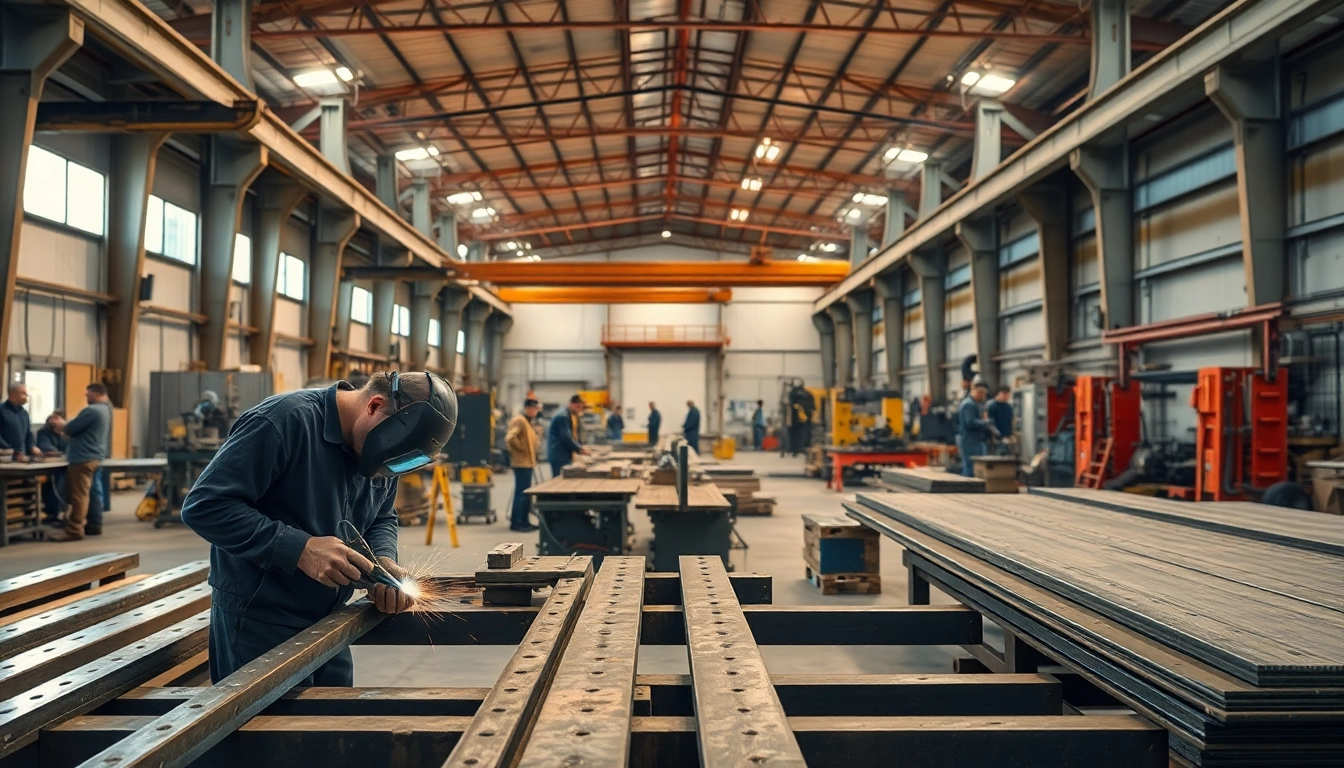
Steel fabrication is the process of constructing products from raw steel materials. This involves various steps, including cutting, bending, assembling, and finishing the steel to create parts or structures that can be used in construction projects, machinery, and other applications. The process typically requires specialized equipment and skilled labor to ensure precise output that meets industry standards.
Importance of Steel Fabrication in Various Industries
Steel fabrication is essential across multiple industries, each requiring high-quality steel products that are durable and reliable. Here’s how the steel fabrication process underpins several key sectors:
- Construction: Steel structures form the backbone of modern buildings. From beams to reinforced steel frames, fabricated steel components provide strength and stability.
- Aerospace: The aerospace industry relies on precisely fabricated steel parts to ensure the safety and performance of aircraft.
- Automotive: Custom steel components are integral to the manufacturing processes in the automotive field, involving everything from frame construction to parts fabrication.
- Energy: The energy sector utilizes steel fabrication for pipelines, equipment, and structures essential to renewable energy systems and traditional fossil fuels.
Key Features of a Quality Steel Fabrication Shop
Identifying a quality steel fabrication shop involves assessing several critical features that ensure their capabilities align with industry standards and customer requirements.
- Certification: Compliance with industry standards and necessary certifications such as ISO is vital for quality assurance.
- Expertise: A skilled workforce with experience in various types of metal and fabrication methods is critical.
- Advanced Technology: Equipped facilities with state-of-the-art machinery improve efficiency and precision in fabrication.
- Quality Control Practices: Implementing rigorous quality control ensures that products meet the required specifications consistently.
Common Services Offered by Steel Fabrication Shop
A steel fabrication shop provides a range of services tailored to suit the needs of different industries. Understanding these services helps organizations choose the most suitable partner for their projects.
Custom Fabrication Solutions
Custom fabrication involves the design and production of specific steel components tailored to exact specifications. This could include unique shapes, sizes, and applications suited for particular projects, which require close collaboration with clients during the design phase to ensure requirements are met thoroughly.
Welding Techniques and Types
Welding is a fundamental process in steel fabrication, involving the joining of materials. Different welding techniques, such as TIG, MIG, and arc welding, provide distinct benefits and applications. Each type's choice depends on the specific needs of the project, including the material's type and the required strength of the joint.
Metal Processing Services
Beyond basic fabrication, many shops offer comprehensive metal processing services including cutting, bending, machining, and surface finishing. Each service is designed to prepare metal components for final assembly, ensuring greater efficiency in production and improved end-product quality.
Choosing the Right Steel Fabrication Shop
Selecting the right steel fabrication shop is crucial for ensuring successful project outcomes. Several factors should be considered when making this choice.
Evaluating Experience and Expertise
Look for a shop with a solid track record and experience in your specific industry or type of fabrication. This can provide confidence in their ability to deliver quality results that meet your project needs.
Assessing Equipment and Technology
Modern shops should boast advanced equipment that enhances accuracy and production capabilities. It’s important to evaluate whether their technological capabilities align with your project requirements, as this can significantly affect lead times and budget.
Understanding Pricing Models
Pricing can vary widely within the industry. Understanding the pricing model—whether it’s a flat rate, per-hour labor cost, or material-plus-labor approach—is essential for budgeting purposes. Request detailed quotes to make informed decisions.
Quality Control in Steel Fabrication Shop
Quality control is at the heart of a steel fabrication shop's operations. Ensuring high-quality standards not only fulfills client expectations but also minimizes waste and promotes operational efficiency.
Importance of Quality Assurance
Quality assurance is vital in maintaining operational integrity and customer satisfaction. It provides mechanisms for identifying defects early in the production process, reducing the risk of costly errors.
Common Quality Standards
Adherence to national and international quality standards such as ASTM and ISO ensures that fabricated products meet safety and performance benchmarks required within various industries.
Techniques for Quality Control
Techniques such as regular inspections, testing of materials, and feedback loops from customers play significant roles in quality control methodologies for fabrication. Implementing these practices aids in assuring consistency and reliability in produced components.
Future Trends in Steel Fabrication Shop
The landscape of steel fabrication is continuing to evolve, driven by advancements in technology and shifts in market demands. Here are some emerging trends that are shaping the industry.
Innovations in Fabrication Technologies
New technologies such as automation, robotics, and advanced software for design and simulation are enhancing the efficiency and output of steel fabrication shops. These innovations help reduce lead times and improve the precision of fabricated components.
Sustainability Practices in Steel Fabrication
As sustainability becomes a critical focus for industries worldwide, many steel fabrication shops are integrating green practices into their operations. This includes the use of recycled materials, energy-efficient processes, and waste reduction strategies to align with environmental standards and customer expectations.
Impacts of Industry 4.0 on Steel Fabrication Services
Industry 4.0 technologies, such as the Internet of Things (IoT), big data, and artificial intelligence (AI), are revolutionizing the steel fabrication sector. Enhanced data analytics provide insights that can lead to better decision-making, predictive maintenance, and improved workflow efficiencies within fabrication shops.
Final Thoughts
The steel fabrication shop represents a crucial segment of the manufacturing landscape, empowering industries with the ability to create and innovate. By understanding the fundamentals of steel fabrication processes, service offerings, and the factors that influence quality and choice, stakeholders can ensure successful outcomes in their projects. As the industry continues to evolve with technological advancements and sustainability efforts, being equipped with knowledge about these trends will help in making informed decisions that drive success.