
Introduction to Creating a Smart Home
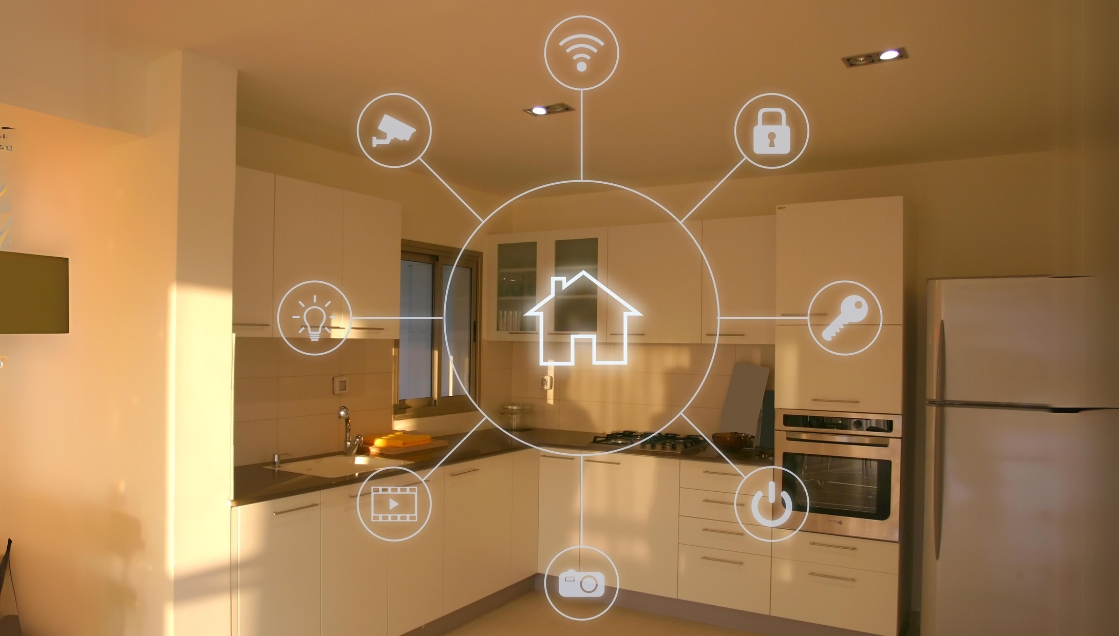
The modern home is no longer just a place to live—it’s becoming an intelligent environment tailored to your needs. A Smart Home integrates technology into your daily life, making it more convenient, efficient, and secure. From automated lighting to advanced security systems, Smart Home technology is transforming ordinary houses into responsive, connected living spaces. At Deep Dive Picks, we provide comprehensive insights to help you navigate this exciting world.
What Makes a Smart Home Smart?
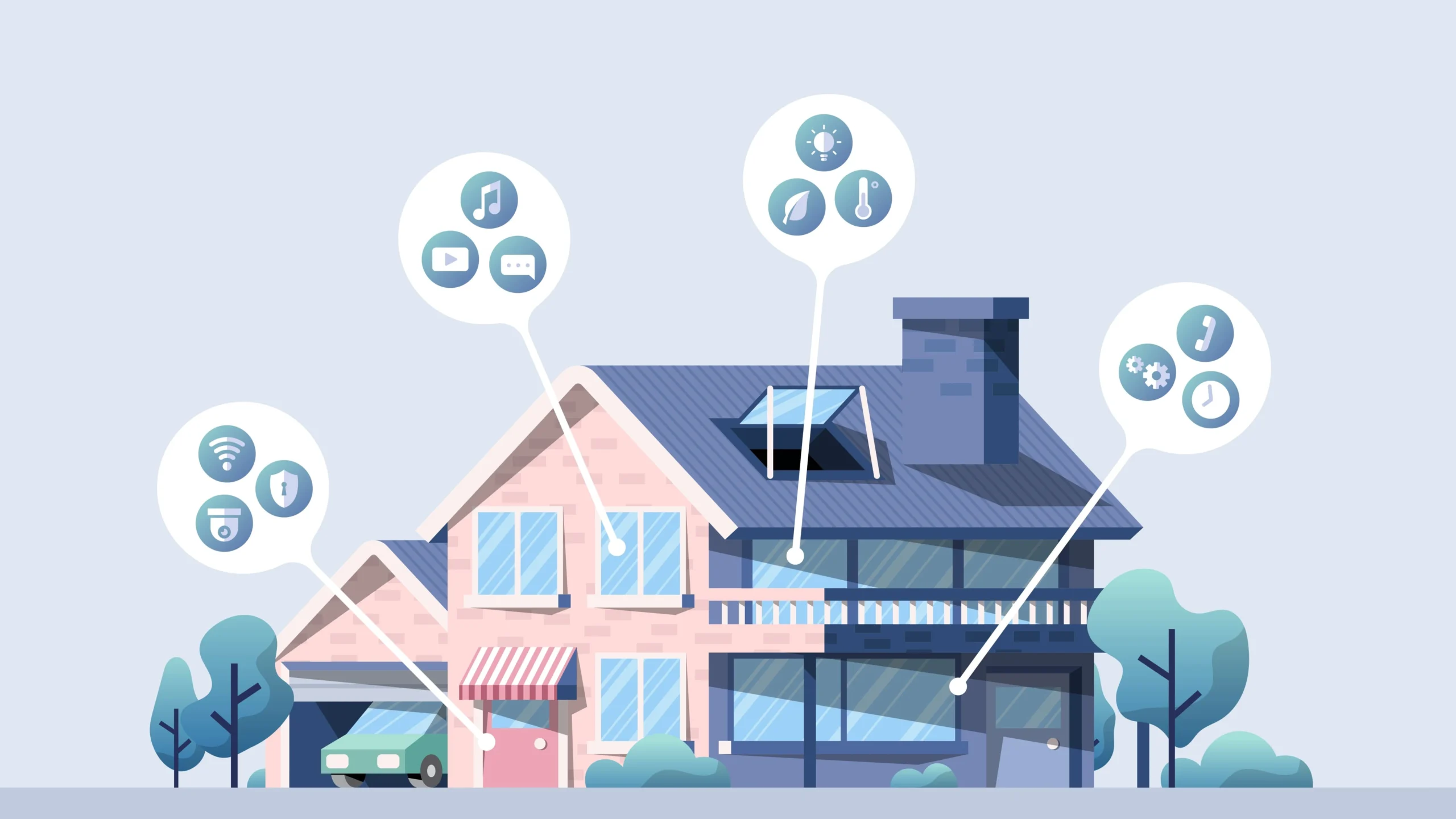
A Smart Home is defined by its ability to connect devices, systems, and appliances through a centralized network, typically controlled via smartphone apps or voice commands. This connectivity allows devices to communicate, automate tasks, and adapt to your preferences. Whether it’s adjusting the thermostat, turning off lights when you leave, or monitoring security cameras remotely, a Smart Home makes life more streamlined and efficient.
Key Elements of a Smart Home
- Smart Hub: The control center connecting all devices.
- IoT Devices: Appliances, lighting, thermostats, and security systems that communicate online.
- Control Interface: Smartphones, tablets, or voice assistants like Alexa, Google Assistant, or Siri.
- Network Infrastructure: Reliable Wi-Fi or mesh networks to ensure consistent connectivity.
Benefits of Investing in a Smart Home
Convenience and Time Savings
A Smart Home simplifies daily routines. Lights can turn on automatically, coffee brews on schedule, and entertainment systems can start with voice commands. Automation eliminates repetitive tasks, freeing time for more meaningful activities.
Energy Management and Efficiency
Smart thermostats, plugs, and lighting reduce energy consumption. Systems like Ecobee or Nest monitor usage patterns, adjusting temperature or turning off devices to save energy. This not only reduces your carbon footprint but also lowers utility bills.
Safety and Security
A Smart Home enhances security with smart locks, cameras, and sensors. Receive instant alerts for unusual activity, monitor entrances remotely, and control locks from anywhere. Devices like Ring and Arlo offer peace of mind by ensuring your home is always protected.
Long-Term Cost Savings
Although initial costs may be high, Smart Home systems lead to long-term savings. Reduced energy usage and increased home efficiency offset upfront investments. Automation also prevents unnecessary appliance use, maximizing value over time.
Personalization and Automation
Every Smart Home can be tailored to individual preferences. Set routines that match your lifestyle, like dimming lights for movie nights or activating morning routines automatically. Personalization ensures your home adapts to you, not the other way around.
Essential Devices for Your Smart Home
Smart Speakers and Voice Assistants
Amazon Echo, Google Nest, and Apple HomePod act as hubs for voice control, enabling seamless interaction with multiple devices. They are essential for creating a responsive Smart Home experience.
Smart Lighting Solutions
Philips Hue, LIFX, and Nanoleaf provide versatile lighting options that can change colors, dim, or follow schedules. Smart lighting enhances ambiance while reducing energy consumption.
Smart Thermostats
Devices like Nest Learning Thermostat and Ecobee adapt to your schedule, optimizing home temperature while saving energy. Remote control and learning capabilities make them an essential part of a Smart Home.
Smart Security Systems
Ring, Arlo, and SimpliSafe offer smart cameras, doorbells, and motion sensors, enabling remote monitoring and real-time alerts. Integration ensures all security elements communicate efficiently.
Smart Plugs and Outlets
Transform ordinary devices into smart appliances with smart plugs. Schedule operation, monitor energy consumption, and control devices remotely to enhance convenience and efficiency.
Smart Appliances
Modern appliances integrate with your Smart Home for optimized performance. Smart refrigerators, ovens, and washing machines provide notifications, energy tracking, and remote control, enhancing household efficiency.
How to Choose the Right Smart Home Ecosystem
Choosing the right ecosystem ensures all devices work together efficiently.
Amazon Alexa
Alexa is compatible with the widest range of devices, making it ideal for beginners building a Smart Home.
Google Home
Google Assistant offers advanced AI integration, predictive automation, and smooth interaction across devices.
Apple HomeKit
HomeKit prioritizes security and privacy, making it suitable for users invested in Apple products and concerned about data protection.
Steps to Set Up Your Smart Home
- Define Your Goals: Identify which areas—security, lighting, or comfort—you want to automate.
- Select a Platform: Choose an ecosystem compatible with most devices you plan to buy.
- Establish a Strong Network: Invest in reliable Wi-Fi or mesh networks for uninterrupted operation.
- Start Small: Begin with a few devices, then expand gradually.
- Automate and Customize: Integrate devices and set up routines tailored to your lifestyle.
Common Challenges and How to Avoid Them
Compatibility Issues
Ensure devices are compatible with your chosen ecosystem to avoid integration problems.
Cybersecurity Risks
Regularly update device firmware, use strong passwords, and enable two-factor authentication to secure your Smart Home.
Overcomplicating Automation
Keep routines simple at first. Overly complex setups can create frustration rather than convenience.
Weak Network Coverage
Large homes may require mesh routers to avoid connectivity issues. A stable network ensures smooth Smart Home operation.
Emerging Trends in Smart Home Technology
The future of Smart Home technology includes AI-driven predictive automation, gesture and voice recognition, and eco-friendly energy management. Smart devices will become more intuitive, learning user preferences and adjusting automatically for optimal comfort and efficiency.
ROI and Value of a Smart Home
Investing in a Smart Home adds value beyond convenience. Reduced energy costs, enhanced security, and increased property appeal make the system worthwhile. Proper integration ensures long-term efficiency and enjoyment, making your home a forward-thinking, intelligent space.
Conclusion
A Smart Home transforms your living environment into a convenient, efficient, and secure space. With careful planning, the right ecosystem, and essential devices, anyone can build a home that works for them. At Deep Dive Picks, we believe understanding Smart Home technology empowers homeowners to make smarter choices, creating a living space that adapts to their lifestyle while preparing for the future. Find everything you need to know on our main site.
Frequently Asked Questions
1. What is a Smart Home?
A Smart Home is a network of connected devices and appliances that can be monitored, automated, and controlled remotely via apps or voice assistants.
2. How much does it cost to install a Smart Home?
Costs vary based on complexity, ranging from $200 for a basic setup to $2,000 or more for advanced systems.
3. Are Smart Home devices safe from hackers?
Yes, with strong passwords, two-factor authentication, and regular firmware updates, your Smart Home can remain secure.
4. Can I mix devices from different brands in a Smart Home?
Yes, most devices can work together if they are compatible with the same ecosystem, such as Amazon Alexa, Google Home, or Apple HomeKit.
5. What are the main advantages of a Smart Home?
Benefits include convenience, energy efficiency, enhanced security, cost savings, and a personalized living experience.